

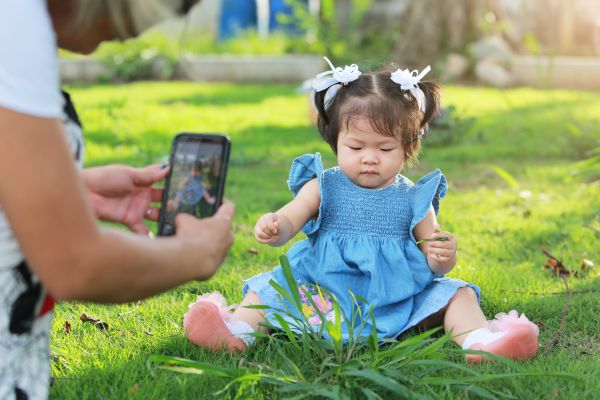
A baby’s first year has a strange way of moving both slowly and impossibly fast. In the early weeks, days can blur together through feeds, naps, laundry, and very little sleep. Then, almost without warning, the tiny newborn who once curled into your chest is sitting upright, reaching for toys, and showing a personality that seems to grow by the hour.
Monthly baby photos offer a simple way to preserve those changes. They do not need to look like professional studio portraits, and they certainly do not need elaborate decorations. The most meaningful images are often the ones that feel relaxed, familiar, and true to everyday life.
Learning how to take monthly baby photos is mostly about creating a routine that is easy to repeat. With a consistent setting, soft light, a little patience, and realistic expectations, you can build a beautiful visual record of your baby’s first year.
Choose a Simple Monthly Photo Style
Before taking the first picture, decide what kind of monthly series you want to create. A little planning at the beginning can save you from reinventing the setup every four weeks.
Some parents photograph their baby lying on the same blanket each month. Others use a chair, crib, floor mat, or plain wall as the background. You might include a wooden milestone disc, a handwritten card, a small chalkboard, or simply add the baby’s age digitally afterward.
The best setup is not necessarily the most creative one. It is the one you can recreate without stress.
A plain blanket beside a bright window may work better than a complicated themed arrangement that requires an hour of preparation. Remember, your baby’s appearance and development are the focus. The background should support the photograph rather than compete with it.
Keep the Background Consistent
Consistency is what makes a monthly baby photo series visually satisfying. When the setting remains similar, small changes in your baby become easier to notice.
Using the same blanket, basket, chair, or section of the nursery creates a natural comparison from month to month. You begin to see how much longer the baby’s legs have become, how their cheeks have changed, or how differently they interact with the space around them.
That does not mean every detail must be identical. Babies quickly outgrow poses and props. A newborn may lie peacefully on a blanket, while a nine-month-old may immediately crawl away from it. The goal is to preserve a recognizable visual thread, not force your baby into the exact same position.
Even keeping the same background color or camera angle can give the series a sense of continuity.
Use Soft Natural Light
Good light matters far more than an expensive camera. In most homes, the easiest place to take monthly baby photos is near a large window during daylight hours.
Soft natural light creates gentle skin tones and reduces harsh shadows. Position your baby close to the window, but avoid placing them in direct, bright sunlight. Strong sun can make babies squint and may create dark shadows across the face.
Morning light often feels fresh and even, while late-afternoon light can appear warmer. The best time depends on the direction of your windows and the way light moves through your home.
Turn off overhead lights if they create a yellow or uneven color. Mixing artificial light with daylight can make skin tones look unnatural. A single window is usually enough, especially when the surrounding walls are light-colored and reflect some brightness back toward the baby.
Photograph Your Baby at the Right Time of Day
Timing can completely change the mood of the session. A tired, hungry, or overstimulated baby is unlikely to cooperate, no matter how lovely the setup looks.
Try taking photos after your baby has eaten, rested, and had a clean diaper. For many families, this means photographing shortly after a morning nap. Babies are often more alert and content earlier in the day, although every child has a different rhythm.
Do not become too attached to the exact monthly date. If your baby turns six months old on a difficult day, take the picture the following morning. The difference will not matter years later.
Monthly photos should feel like a gentle family tradition, not a deadline. Choosing a calm moment will usually result in more natural expressions and a much easier experience for everyone.
Dress the Baby Without Overcomplicating the Look
Simple clothing tends to photograph beautifully. Solid colors, soft textures, and comfortable fabrics help keep attention on the baby’s face.
You may choose the same type of outfit each month, such as a white bodysuit, neutral romper, or plain pajamas. This makes physical growth especially noticeable. Another approach is to dress the baby according to the season, using light cotton in summer, knitted textures in winter, or subtle colors that reflect the time of year.
Avoid clothes with large slogans, busy patterns, or distracting graphics unless they are part of your intended style. Comfort should come first. Tight accessories, scratchy fabrics, and complicated outfits can quickly turn a peaceful session into an unhappy one.
Bare feet, soft hair, wrinkled knees, and slightly crooked clothes often make the photos feel more personal anyway.
Capture More Than One Expression
It is tempting to wait for the perfect smile, but monthly baby photos become far more interesting when they show a range of expressions.
Photograph the thoughtful stare, the sleepy yawn, the surprised open mouth, the serious little frown, and the moment your baby notices their own toes. These details reveal personality in a way that a carefully posed smile sometimes cannot.
Take several pictures in a short burst rather than relying on one shot. Babies change expressions quickly, and the difference between two frames can be remarkable. One may catch a blink, while the next captures a wide grin.
Do not worry if your baby refuses to look directly at the camera. A sideways glance or curious gaze toward the window can feel just as beautiful and often more natural.
Adjust the Pose as Your Baby Grows
During the first few months, your baby may be most comfortable lying flat on their back. As they gain strength, the monthly pose can gradually change.
Tummy-time photographs are lovely once your baby can lift their head comfortably. Later, you may capture them sitting with support, sitting independently, crawling, pulling themselves up, or standing while holding furniture.
These changing poses become part of the story. Trying to maintain one pose for the entire year may feel unnatural and can even be unsafe if your baby has outgrown it.
Always photograph on a stable surface and remain close enough to support your baby. Avoid placing infants on high beds, chairs, tables, or unstable props simply for the sake of a picture. A clean floor setup can be just as attractive and is usually much easier to manage.
Use Props Sparingly
A monthly marker can help viewers understand where each picture belongs in the series. Beyond that, props are optional.
A small stuffed animal is a particularly useful choice because it offers a clear sense of scale. In the first photograph, the toy may look almost as large as the baby. By the end of the year, your baby may be holding, hugging, or tossing it aside.
Flowers, seasonal objects, letter boards, toys, or fabric numbers can also work, but too many decorations may make the image feel cluttered. Babies are already visually expressive subjects. They do not need much help.
Choose one or two meaningful details and leave enough empty space around your baby. Simpler photographs are usually easier to match across twelve months.
Get Down to the Baby’s Level
Camera position affects how intimate and natural a photograph feels. Instead of standing above your baby for every image, try lowering yourself to their eye level.
For a baby lying on the floor, you can photograph from directly overhead or lie nearby for a side angle. For a sitting baby, hold the camera at roughly the same height as their face. This creates a stronger sense of connection and avoids making the head appear unusually large compared with the body.
Move closer for a few portraits, then step back to capture the full setup. It is worth taking both horizontal and vertical images. Vertical photos often work well in albums and frames, while horizontal images may be useful for family photo books or digital slideshows.
Let the Session Stay Short
Babies have limited patience, and monthly photo sessions rarely improve when they continue for too long. Ten relaxed minutes can produce better images than forty minutes of trying to force a specific pose.
Prepare the blanket, clothing, milestone marker, and camera before bringing your baby into the setup. This keeps the actual session quick and reduces waiting.
When your baby becomes restless, pause or stop. You can always try again later. A baby who is beginning to crawl may spend most of the session escaping from the background, and that can become part of the memory too.
Some months will produce polished portraits. Others may include motion blur, a missing sock, or a baby trying to eat the milestone card. The imperfect photographs often become family favorites.
Edit Lightly and Save the Originals
A small amount of editing can help monthly photos look consistent. You may brighten the image, adjust the crop, straighten the frame, or correct the color slightly.
Try not to edit your baby’s features heavily. Temporary scratches, rosy cheeks, wispy hair, and uneven expressions are part of that stage of life. The purpose is to document growth, not create an unreal version of it.
Keep the original files as well as edited copies. Organize them in a clearly labeled folder, such as “Baby’s First Year,” with a separate folder for each month. Back them up in more than one place. Phones get lost, storage systems fail, and it is worth protecting photographs that cannot be recreated.
At the end of the year, you can arrange the images in a grid, album, framed sequence, or short video to see the full transformation.
Focus on the Story Rather Than Perfection
The real secret behind how to take monthly baby photos is not a particular camera setting, outfit, or backdrop. It is showing up each month and preserving what your baby is like at that moment.
There may be months when the lighting is uneven or the baby refuses to smile. There may be a photograph taken a week late because life was busy. None of that weakens the series. In fact, those small imperfections make it honest.
By the first birthday, you will have twelve images that show far more than physical growth. Together, they reveal changing expressions, new skills, family routines, and the gradual appearance of a distinct little personality.
Monthly baby photos are not really about creating perfect pictures. They are about noticing change while it is happening—and keeping a small piece of it before the next month arrives.