

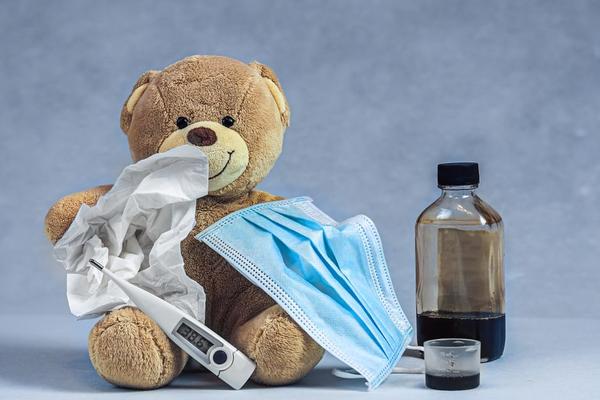
A baby coughing at night can sound frightening, especially when every breath seems louder than usual. But the sound of a cough alone rarely tells you how serious an illness is. More useful clues are how your baby breathes between coughs, whether they can feed, and how alert they seem.
If you are wondering when to worry about a baby cough, start with those three observations. A baby with a runny nose who coughs occasionally, drinks normally, and responds as usual is very different from one who struggles to breathe or refuses feeds.
First, Check Breathing, Feeding, and Responsiveness
Watch your baby when they are calm rather than crying. Their chest should rise and fall without obvious strain. Notice whether they can breathe comfortably during a feed and whether they wake, look around, and respond in their usual way.
Congestion may make a baby snuffly or noisy, but visible effort to pull air in is not something to dismiss as a stuffy nose. If your baby appears seriously unwell, seek help rather than waiting for the cough to change.
When a Baby Cough Is Usually Less Concerning
Many infant coughs accompany viral colds. Mucus can drip toward the throat, triggering coughing, particularly after lying down. A mild cough can persist even as a runny nose improves.
Home monitoring may be reasonable when your baby breathes comfortably, feeds close to their usual amount, produces normal wet diapers, and stays responsive. Keep reassessing: respiratory illnesses can change over hours, especially in young infants. Coughing also helps clear irritants and mucus, so stopping every cough is not the goal.
Baby Cough Red Flags That Need Emergency Help
Call your local emergency number immediately if your baby stops breathing, has breathing pauses, struggles severely for each breath, becomes limp or difficult to wake, or develops blue or grey lips, tongue, or skin. Depending on skin tone, color changes may be easier to notice inside the mouth or on the palms and soles.
Signs of serious breathing trouble include grunting with breaths, skin pulling deeply between or below the ribs, or being unable to cry normally because breathing takes so much effort. Do not try home remedies while these symptoms are happening.
If coughing begins suddenly during eating or play, particularly with choking or an inability to breathe or cry, an object may be blocking the airway. Treat this as an emergency and follow infant choking first-aid guidance from emergency responders.
When to Call the Pediatrician Promptly
Seek urgent medical advice if your baby breathes much faster than usual while calm, wheezes, makes a harsh noise when breathing in, or has prolonged coughing fits. Even less severe breathing trouble requires prompt assessment.
Contact a clinician promptly if your baby takes less than half their usual milk, struggles to feed because of breathing difficulty, or shows dehydration signs such as very few wet diapers, a dry mouth, or no urine for more than eight hours. Feeding changes can be an early clue that illness is becoming harder to manage.
A temperature of 100.4°F (38°C) or higher in a baby younger than three months requires urgent medical assessment, even if the cough seems mild. Do not give fever-reducing medicine before medical advice in this age group. For older babies, get advice when fever is high, persists, or accompanies worsening symptoms.
Why Age Changes the Threshold
For babies younger than six months, contact the pediatrician within 24 hours about a new cough, even without other problems; act sooner for warning signs. Babies born prematurely or with heart, lung, or immune conditions may need earlier assessment.
Why Baby Coughing at Night Can Seem Worse
When a baby lies flat, nasal mucus can be more noticeable, and a quiet room makes coughing seem louder. Nighttime coughing alone does not measure severity. Watch between episodes: is breathing easy, and does your baby settle and respond normally?
Never prop up a baby’s mattress, use pillows, or place them in an inclined sleeper to ease congestion. Follow safe sleep guidance by keeping your baby on their back on a firm, flat, clear sleep surface.
Safe Ways to Comfort a Coughing Baby
For mild congestion, use infant saline nose drops and gentle suction before feeding if needed. Avoid excessive suction, which can irritate the nose. Offer breast milk or formula more often, using smaller feeds if coughing makes longer feeds difficult.
A clean cool-mist humidifier may help in dry rooms. Keep the environment free of smoke, vaping aerosols, strong fragrances, and cleaning fumes. Advice on caring for a baby’s cold can help with accompanying nasal congestion.
Do not give honey to a child younger than 12 months because of infant botulism risk. Avoid over-the-counter cough and cold medicines unless your child’s clinician specifically directs you to use them; these products can be dangerous for young children. Hot steam inhalation carries a burn risk.
Notice the Pattern, Not Just the Number of Coughs
Imagine two babies with the same rattling cough. One has occasional episodes, feeds well, smiles between naps, and breathes easily. The other breathes rapidly, pulls in beneath the ribs, and tires after a few sips of milk. The second baby needs urgent assessment even if the actual coughing happens less often.
Note when symptoms began, recent feeds, and wet diapers, and share these details with the pediatrician.
How Long Can a Baby Cough Last?
A viral cough may linger for two to three weeks while gradually improving. Bronchiolitis can begin like a cold and become worse around days three to five, with faster breathing or feeding difficulties. Knowing the signs of RSV and bronchiolitis helps you recognize changes.
Arrange a medical review if a cough lasts beyond three weeks, gets progressively worse, or improves and then returns with new fever or breathing symptoms. Repeated intense fits, vomiting after coughing, or a whooping sound deserve assessment because infections such as pertussis can be especially dangerous in infants.
Frequently Asked Questions
Should I worry if my baby coughs but has no fever?
Not necessarily. A mild cold can cause coughing without fever. However, fever is not required for serious illness, so focus on breathing, feeding, alertness, and wet diapers.
Is a baby coughing in their sleep an emergency?
Occasional coughing with comfortable breathing is often not an emergency. Breathing pauses, blue or grey coloring, severe effort, or difficulty waking require emergency help, whether the baby is asleep or awake.
When should I call about a newborn’s cough?
Call the pediatrician promptly about any cough in a newborn. Seek urgent care for poor feeding or abnormal breathing, and urgent assessment for any measured fever of 100.4°F (38°C) or higher before three months of age.
Can teething cause a persistent cough?
Extra drool may occasionally trigger a brief cough, but teething should not explain a persistent cough, breathing difficulty, or fever. Ask the pediatrician if symptoms continue.
The Bottom Line
Most baby coughs accompany common infections and improve with time and supportive care. The decision to seek help rests less on the cough’s sound than on breathing, milk intake, color, and responsiveness. For severe breathing problems or blue or grey coloring, call emergency services immediately.