

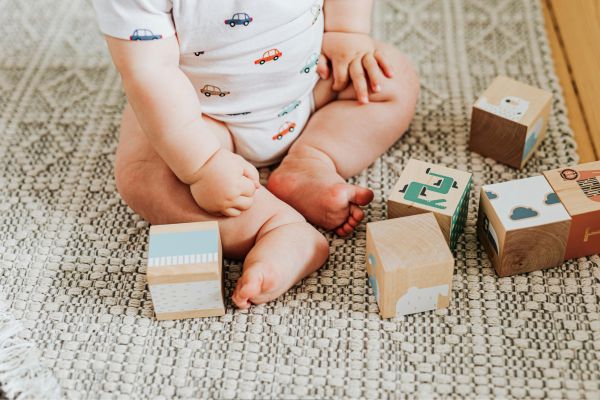
There’s something quietly magical about watching a baby grow. It happens so gradually you might miss it in the moment, yet when you pause and look back, the changes feel astonishing. One day they’re curled into your arms, and before long, they’re stretching, reaching, and exploring the world around them. A custom baby growth chart becomes more than a tool—it turns into a storybook of those fleeting early years.
While standard charts track numbers and percentiles, a personalized one captures something deeper: your baby’s unique journey. It blends data with memory, turning measurements into milestones worth remembering.
Why a Custom Baby Growth Chart Feels Different
Traditional growth charts serve a clinical purpose. They help pediatricians assess development and ensure everything is progressing within expected ranges. But at home, parents often crave something more meaningful—something that reflects personality, family traditions, and the emotional side of growth.
A custom baby growth chart allows you to go beyond numbers. It gives you space to record first smiles, first steps, and those tiny details that don’t fit neatly into medical records. It transforms growth tracking into a keepsake, one that feels personal rather than purely practical.
There’s also a sense of ownership in creating something yourself. Whether you design it digitally or craft it by hand, the process becomes part of the memory itself.
Understanding What to Track
Before creating your chart, it helps to know what aspects of growth are most important. Babies develop rapidly, and growth can be measured in several ways.
Height and weight are the most obvious indicators. These measurements provide a clear picture of physical development and are often tracked monthly during the first year. Head circumference is another key metric, especially in infancy, as it reflects brain growth.
But growth isn’t only physical. Developmental milestones—like rolling over, sitting up, crawling, and speaking—add depth to your chart. These moments often matter more emotionally than a number on a scale.
A well-designed custom baby growth chart balances both. It captures measurable progress while leaving room for the softer, more personal milestones.
Designing a Chart That Reflects Your Style
Creating your own growth chart opens up endless creative possibilities. Some parents prefer a minimalist design with clean lines and simple annotations. Others lean into color, patterns, and themes that reflect their child’s personality or nursery decor.
You might choose a wall-mounted chart that grows alongside your child, marked with dates and notes. Or perhaps a journal-style chart, where each page represents a month filled with measurements, photos, and reflections.
Digital charts are another option, offering flexibility and easy updates. They allow you to include photos, graphs, and even short notes without worrying about space. Still, many people find comfort in something tangible—a chart they can touch, display, and revisit over time.
The beauty of a custom baby growth chart lies in this flexibility. There’s no single right way to design it. It can be as simple or as detailed as you like.
Adding Meaningful Personal Details
What truly sets a custom chart apart are the personal touches. These are the details that turn it from a record into a story.
Consider including notes about your baby’s personality at different stages. Was there a month when they laughed endlessly? A phase when they seemed fascinated by shadows or music? These small observations might feel insignificant now, but they often become the most cherished memories later.
Photos can also play a powerful role. A monthly snapshot alongside growth data creates a visual timeline that words alone can’t capture. Over time, these images reveal just how quickly babies change.
You might also include family context—where you were living, what the season felt like, or even what was happening in your own life at the time. These layers add richness to your custom baby growth chart, making it feel alive and connected to a broader story.
Balancing Accuracy and Emotion
It’s easy to get caught up in measurements and comparisons, especially with so much information available about baby growth standards. But one of the quiet advantages of a personalized chart is that it shifts the focus inward.
Your baby’s growth doesn’t need to match a perfect curve to be meaningful. What matters is the pattern over time, the consistency, and the individuality of the journey.
A custom baby growth chart encourages this perspective. It reminds you that growth is not just about hitting milestones at the “right” time, but about witnessing progress in all its unique forms.
This doesn’t mean ignoring medical guidance. Regular check-ups and professional advice remain essential. But at home, your chart can become a space free from comparison—a place where your baby’s story unfolds on its own terms.
Making the Chart Part of Your Routine
The most effective growth charts are the ones that become part of everyday life. Consistency doesn’t require strict schedules, but it does benefit from small, repeatable habits.
You might choose to update the chart on the same day each month, perhaps after a bath or during a quiet evening. Over time, this simple act becomes a ritual—one that marks the passage of time in a gentle, reflective way.
Involving other family members can make the process even more meaningful. Siblings, grandparents, or partners can contribute notes or observations, adding different perspectives to the chart.
This shared involvement turns the custom baby growth chart into something collective. It becomes a family memory rather than a solo project.
Watching Patterns Emerge Over Time
One of the most rewarding aspects of maintaining a growth chart is seeing patterns emerge. At first, each entry feels isolated—a single measurement or note. But as months pass, connections begin to form.
You might notice how a growth spurt coincides with new skills, or how certain behaviors appear during specific phases. These patterns offer insight into your baby’s development in a way that feels intuitive rather than clinical.
Looking back, these trends often tell a richer story than any single milestone. They reveal rhythms and changes that might otherwise go unnoticed.
A thoughtfully maintained custom baby growth chart captures these patterns, preserving them in a way that feels both structured and organic.
Preserving the Chart as a Keepsake
As your baby grows into a toddler and beyond, the chart gradually becomes something else entirely—a keepsake. What once served as a tracking tool transforms into a record of early childhood.
This transition is subtle but meaningful. The chart no longer needs constant updates, yet it holds value as a reflection of a specific time in your life.
Some families choose to store it alongside baby books, photos, and other mementos. Others keep it displayed as a reminder of how far their child has come.
Either way, a custom baby growth chart carries emotional weight. It becomes a bridge between past and present, offering a tangible way to revisit moments that might otherwise fade.
Embracing Imperfection in the Process
It’s worth remembering that your chart doesn’t need to be perfect. There might be months you forget to update it, or entries that feel incomplete. That’s part of the process.
In fact, these imperfections often add authenticity. They reflect the reality of parenting—busy, unpredictable, and beautifully imperfect.
A missed measurement or a hurried note doesn’t diminish the value of the chart. If anything, it makes it more real.
The goal isn’t precision; it’s presence. A custom baby growth chart works best when it captures genuine moments rather than striving for flawless documentation.
Conclusion: A Personal Record of Growing Up
Creating a custom baby growth chart is less about tracking numbers and more about telling a story. It’s a way to pause, observe, and appreciate the small changes that shape your child’s early years.
As time moves forward—and it always does—the chart becomes a quiet reminder of where it all began. Each mark, note, and memory forms part of a narrative that belongs entirely to your family.
In the end, what you create isn’t just a chart. It’s a reflection of growth in every sense—physical, emotional, and deeply personal.