

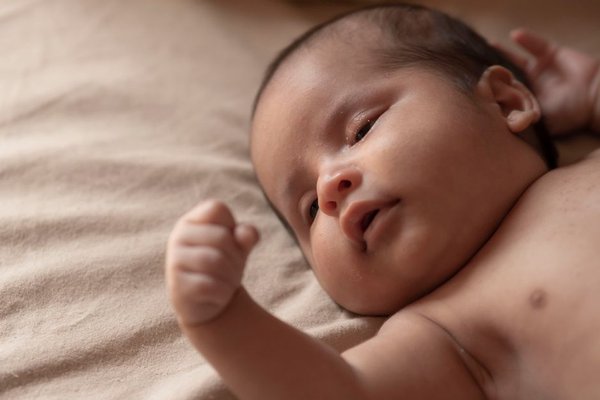
A new baby’s skin can change from one day to the next. Tiny white bumps may appear around the nose, red patches can develop on the cheeks, or a blotchy rash may come and go across the body. For new parents, these changes can be unsettling. Fortunately, many common newborn rashes are harmless, temporary and part of the skin adjusting to life outside the womb.
A rash should not be judged by appearance alone. How your baby is feeding, breathing, waking and behaving matters just as much. Here is how to recognise several everyday skin conditions, care for delicate skin and know when to seek medical help.
Why newborn skin develops rashes
Newborn skin is thin and sensitive. Sweat glands and the protective skin barrier are still developing, while warmth, moisture, friction and fragranced products can trigger irritation. Normal hormonal changes after birth can also cause spots.
Rashes do not look identical on every skin tone. Redness may be less obvious on brown or black skin, where inflammation can appear purple, grey or darker than the surrounding area. Texture, warmth and swelling may be easier to notice than colour alone.
Common newborn rashes that are usually harmless
Erythema toxicum
Erythema toxicum often appears during the first few days of life. It looks like red or darker blotches with small yellow-white bumps and may affect the face, body, upper arms or thighs. The marks can disappear from one place and show up somewhere else.
A baby with this rash is normally well and feeds as usual. No cream or medicine is needed, and it generally clears by itself within days or a few weeks. Do not squeeze the spots or apply acne treatments.
Baby acne
Baby acne, also called neonatal acne, usually develops within the first six weeks. Small pimples may appear on the cheeks, forehead, chin, scalp or upper body. They are not caused by dirt or poor skincare.
Wash gently with plain water and pat the skin dry. Avoid scrubbing, picking, essential oils and adult acne products. Baby acne normally improves without treatment over several weeks or months. Pimples or blackheads starting after about three months may be infantile acne and should be discussed with a GP.
Milia
Milia are tiny white or yellow bumps, often seen around the nose, cheeks, forehead or eyelids. Sometimes called milk spots, they are not linked to milk or feeding. They form when material becomes trapped near the skin’s surface.
Milia do not hurt, itch or require treatment. Most clear within a few weeks. Trying to pop them can damage delicate skin and introduce infection, so leave them alone.
Heat rash
Heat rash develops when a baby becomes too warm and sweat glands become blocked. It appears as many small raised spots and may feel prickly or itchy. On darker skin, the bumps may look grey, white or slightly darker rather than red.
Move your baby somewhere cooler, remove unnecessary layers and choose lightweight bedding and loose cotton clothing. A cool bath or damp cloth can help. Avoid perfumed creams, and do not use hydrocortisone, antihistamines or medicated lotions on a newborn unless advised by a healthcare professional. Heat rash usually settles within a few days.
Eczema in babies
Eczema in babies is usually dry, itchy, rough, cracked or scaly rather than a collection of short-lived spots. Patches often affect the face but can appear elsewhere, and symptoms may come and go in flare-ups.
Use fragrance-free skincare and avoid bubble bath, scented wipes and strongly perfumed laundry products. An unperfumed emollient may help, but ask a pharmacist, health visitor or GP which product is suitable for a young baby. Seek advice if the skin is weeping, crusted, blistered, painful or rapidly worsening because infection may need treatment.
Nappy rash
Nappy rash causes sore, red, darker or raw-looking skin in the nappy area. Moisture, urine, stools, friction and fragranced wipes are common triggers. Change nappies promptly, clean gently with water or fragrance-free, alcohol-free wipes, pat dry and allow some nappy-free time.
A thin layer of suitable barrier cream may protect the skin. Do not use talcum powder or antiseptics. Contact a health visitor or GP if the rash spreads, becomes severe, develops blisters, fails to improve or makes your baby very uncomfortable.
Gentle skincare while a rash settles
With most harmless newborn rashes, less is more. Keep baths brief and comfortably warm, avoid scrubbing and use plain, fragrance-free products only when needed. Pat rather than rub the skin dry. Dress your baby in breathable layers and check the chest or back of the neck for overheating.
A clear photograph in natural light can help a health professional see how the rash has changed. Never use prescription creams, steroid products, acne medicines or home remedies on newborn skin without professional advice.
When to call a doctor about a newborn rash
Ask for an urgent GP appointment or contact NHS 111 if a baby under three months has a temperature of 38°C or higher, has a rash with fever, feeds much less than usual, is unusually sleepy or irritable, has fewer wet nappies, or develops a rapidly spreading rash. Blisters, open sores, pus, swelling, increasing warmth, pain, or sores near the eyes or inside the mouth also need prompt advice.
Call 999 or go to A&E if your baby has difficulty breathing, is hard to wake, looks pale, blue, grey or blotchy, has sudden swelling of the lips, mouth, tongue or throat, or develops a purple-red rash that does not fade when pressed with the side of a clear glass. On brown or black skin, a non-fading rash may be easier to see on the palms or soles. Trust your instincts, as newborns can become unwell quickly.
Frequently asked questions
How long do common newborn rashes last?
Many harmless rashes improve within days or weeks. Milia and erythema toxicum often clear fairly quickly, while baby acne may take several weeks or a few months. A rash that persists, worsens or occurs with other signs of illness should be assessed.
Can I put moisturiser on a newborn rash?
Not every rash needs moisturiser, and fragranced lotions may irritate sensitive skin. For dryness or possible eczema, ask a pharmacist, health visitor or GP about a suitable unperfumed emollient.
Should I bathe my baby every day?
Daily bathing is not essential for every newborn. When bathing, use comfortably warm water, keep it brief and avoid bubble bath or scented soap. Overwashing can worsen dry or irritated skin.
Is a rash without a fever always harmless?
No. A baby can need medical attention without a fever. Poor feeding, breathing changes, unusual sleepiness, a non-fading rash, blisters or rapidly worsening skin changes all deserve prompt advice.
Conclusion
Most common newborn rashes, including baby acne, milia and heat rash, settle with time and gentle care. Eczema in babies and nappy rash may need additional support, especially when the skin is sore or infected. Focus on your baby’s overall wellbeing, avoid aggressive treatments and seek help when warning signs appear. With a newborn, trusting your concern is always appropriate.