

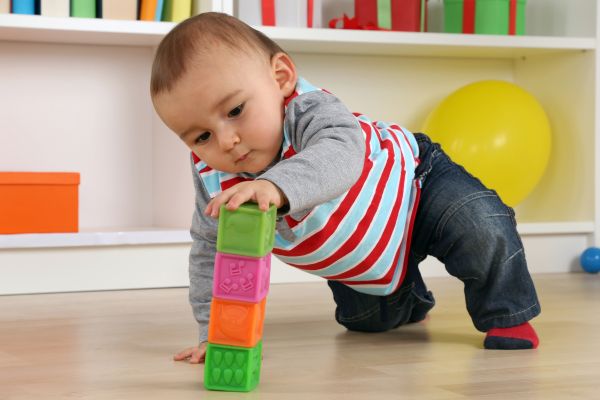
When the weather keeps everyone inside or the day simply calls for a slower rhythm, indoor play can become one of the sweetest parts of babyhood. Babies do not need complicated activities, expensive toys, or perfectly arranged playrooms to learn and explore. In fact, some of the most meaningful play happens on a soft blanket, near a sunny window, with a familiar voice close by.
The best indoor baby play ideas are simple, safe, and responsive. They follow the baby’s pace rather than forcing a lesson or outcome. A baby who is reaching, rolling, listening, babbling, or watching shadows on the wall is already learning. Play, at this age, is not separate from development. It is how babies discover their bodies, their senses, and the people who care for them.
Why Indoor Play Matters for Babies
Indoor play gives babies a calm space to explore without too much stimulation. While outdoor time is wonderful, home offers comfort and familiarity. Babies can focus on small discoveries, such as the crinkle of fabric, the sound of a spoon tapping a bowl, or the way a caregiver’s face changes during a song.
In the first year, babies are building early skills through repetition. They look, reach, touch, taste, kick, roll, and respond. These small movements may seem ordinary, but they support muscle strength, coordination, language development, emotional connection, and curiosity.
Indoor play also allows caregivers to notice the baby’s changing interests. One week, a baby may enjoy staring at high-contrast patterns. A few weeks later, they may want to grab soft blocks or push themselves toward a toy. The room may stay the same, but the baby’s world keeps expanding.
Creating a Calm Play Space at Home
A good indoor play space does not need to look perfect. It just needs to feel safe, comfortable, and open enough for movement. A clean blanket or play mat on the floor is often enough. Babies benefit from floor time because it lets them stretch, roll, reach, and eventually crawl without being restricted.
Try to keep the space uncluttered. Too many toys at once can overwhelm a baby, especially younger infants who are still learning how to focus. A few carefully chosen items are usually better than a full basket. Soft textures, simple rattles, board books, fabric squares, and safe household objects can all become part of the play.
Lighting matters too. Natural light creates a gentle atmosphere, especially during morning play. If the room feels too bright or busy, soften the setting. Babies often respond beautifully to calm surroundings, and sometimes less really does invite more engagement.
Tummy Time with a Gentle Twist
Tummy time is one of the most useful indoor baby play ideas because it supports neck, shoulder, back, and core strength. Still, not every baby enjoys it right away. The key is to keep it short, relaxed, and interesting.
Place your baby on their tummy for a few minutes while you lie down facing them. Your face is often more interesting than any toy. Smile, talk, sing, or make soft expressions. A small mirror can also encourage babies to lift their head and look around.
For babies who resist tummy time, try placing them on your chest while you recline slightly. This gives them the same chance to strengthen muscles, but with the comfort of closeness. Over time, as they grow stronger, floor-based tummy time may feel easier and more enjoyable.
Soft Sensory Play with Everyday Textures
Babies learn through their senses, and indoor sensory play can be beautifully simple. A basket with different baby-safe textures can invite gentle exploration. Think of a soft washcloth, a smooth wooden spoon, a crinkly fabric toy, or a clean silicone teether.
Let the baby touch one item at a time. Describe what they are feeling in a natural way. “This one is soft,” or “That makes a little sound,” is enough. Babies do not need long explanations. They benefit from hearing language connected to real experiences.
Texture play is especially helpful once babies start reaching and grasping. They may squeeze fabric, wave an object, bring it to their mouth, or drop it again and again. That repetition is not random. It is how they test the world.
Music, Singing, and Little Movement Games
Music has a lovely way of changing the mood in a room. Babies often respond to rhythm before they understand words. A soft song during playtime can calm them, while a bouncy tune can encourage kicking, smiling, and babbling.
You do not need a perfect singing voice. Babies usually care more about familiarity than pitch. Simple songs, gentle clapping, and playful pauses can hold their attention. Try singing slowly, then stopping for a moment to see if your baby reacts. Many babies will smile, kick, or make sounds as if asking for more.
Movement songs can also support body awareness. Gently moving your baby’s hands, touching their toes, or swaying together can turn an ordinary afternoon into a warm bonding moment. Keep movements slow and always watch for signs that the baby has had enough.
Mirror Play for Curiosity and Connection
A baby-safe mirror can become a favorite indoor activity. Babies are naturally drawn to faces, and mirrors add a layer of fascination. At first, your baby may simply stare. Later, they may smile, reach, pat the mirror, or make sounds at their reflection.
Place the mirror during tummy time or sit with your baby in your lap. Point to their reflection and speak gently. “There’s your nose,” or “Look at that smile,” helps connect language with body awareness.
Mirror play also supports visual tracking. Babies watch movement, light, and expressions, and they begin noticing cause and effect. When they move, the baby in the mirror moves too. It feels like magic to them, and honestly, it is a little magical to watch.
Indoor Play with Board Books
Books are not only for bedtime. They can be part of daily play, even with very young babies. A baby may not follow a story yet, but they can look at pictures, hear rhythm, touch pages, and enjoy the closeness of being read to.
Choose sturdy board books with clear images, simple contrast, or familiar objects. Babies often enjoy faces, animals, and everyday items. You can read the words or simply talk about the pictures. There is no wrong way to share a book with a baby as long as the moment feels warm and relaxed.
As babies grow, they may grab the book, chew the corner, turn pages awkwardly, or close it suddenly. That is part of the experience. Early reading is not about sitting still. It is about building a pleasant relationship with books.
Reaching and Grasping Games
Once babies begin reaching for objects, indoor play becomes more active. Place a soft toy slightly to the side, just within reach, and allow your baby to stretch toward it. This encourages coordination without pressure.
You can also offer easy-to-hold toys such as soft rings, fabric blocks, or lightweight rattles. Let your baby explore how each object feels and moves. Some babies will pass items from one hand to the other. Others may shake, mouth, or drop them repeatedly.
Dropping games can be tiring for adults, but they are meaningful for babies. When something falls, babies learn about sound, distance, and cause and effect. When you return the object with a smile, they also learn about connection and trust.
Peekaboo and Simple Social Games
Few games are as timeless as peekaboo. It teaches babies about anticipation, surprise, and object permanence in the gentlest way. You can cover your face with your hands, hide behind a cloth, or pop out from behind a cushion.
Keep the game soft for younger babies. A sudden loud “boo” may startle them, while a playful smile and gentle voice usually feels more inviting. Watch your baby’s reaction and adjust the energy.
Other social games work just as well. Copy your baby’s sounds. Make a face and wait. Tap a rhythm on the floor. These small back-and-forth moments are powerful because they show babies that communication is shared. They do something, and you respond.
Safe Kitchen Play While You Stay Close
The kitchen can offer rich indoor baby play ideas, especially for babies who can sit with support or sit independently. A wooden spoon, a plastic bowl, or a soft silicone spatula can be surprisingly entertaining.
Let your baby tap, hold, bang, or explore safe kitchen items while you stay nearby. The sounds and textures are different from regular toys, which makes them interesting. A bowl may become a drum. A spoon may become something to wave proudly in the air.
Of course, safety matters. Avoid anything sharp, breakable, heavy, or small enough to swallow. Keep hot food, cords, and cleaning products far away. With careful supervision, simple kitchen play can make everyday routines feel more inclusive.
Quiet Play for Slower Moments
Not every indoor activity needs to be lively. Babies also need quiet play, especially when they are tired but not ready to sleep. Soft cuddles, gentle rocking, looking out the window, or listening to calm music can all count as play.
A baby watching rain on the glass or sunlight moving across the floor is still learning. These quiet moments support attention and emotional regulation. They also remind caregivers that play does not always need to be planned.
Sometimes the best activity is simply being present. Sitting beside your baby while they explore a soft toy may look uneventful, but to them, it feels safe. That safety gives them confidence to explore a little more.
Following Your Baby’s Cues
The most important part of indoor play is noticing what your baby is telling you. A baby who turns away, rubs their eyes, fusses, arches their back, or stops engaging may need a break. A baby who smiles, reaches, kicks, babbles, or watches closely may be ready for more.
Following cues helps play stay enjoyable. It also teaches babies that their signals matter. This is where indoor play becomes more than entertainment. It becomes a conversation, even before words arrive.
Some days your baby may love tummy time. Other days, they may only want to be held. That is normal. Babies grow in uneven rhythms, and play should have room for those changes.
Conclusion
Indoor play with babies does not need to be elaborate to be meaningful. A soft blanket, a familiar song, a safe mirror, a board book, or a simple kitchen bowl can open up a whole world of discovery. What matters most is not the activity itself, but the warmth and attention around it.
The best indoor baby play ideas support movement, curiosity, language, and connection while respecting the baby’s pace. Some moments will be playful and noisy. Others will be quiet and slow. Together, they create the kind of everyday learning that babies need most: safe, loving, responsive, and close to home.