

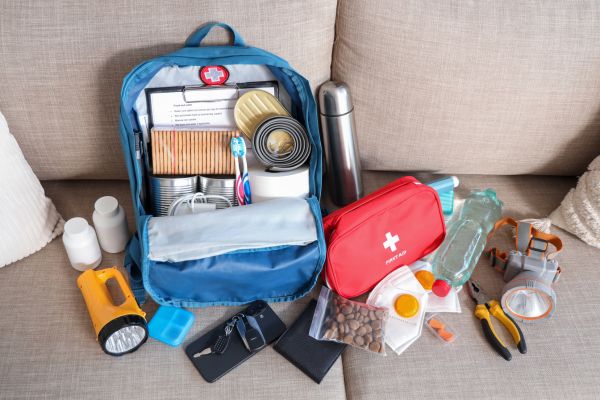
Preparing for an emergency feels different once there is a baby in the house. Before parenthood, an emergency bag might have meant a flashlight, a few snacks, a phone charger, and maybe some bottled water tucked away in a cupboard. With a baby, the list becomes softer, smaller, and somehow more urgent. A missed feeding, a soiled diaper, a sudden fever, or a power outage during the night can turn a simple inconvenience into something stressful very quickly.
That is why a baby emergency kit is not just for major disasters. It is useful during storms, long traffic delays, unexpected hospital visits, sudden evacuations, power cuts, or even those chaotic moments when you need to leave home quickly and cannot think clearly. The goal is not to pack your whole nursery into a bag. It is to gather the essentials that keep your baby fed, clean, warm, safe, and comforted until life feels steady again.
Why Every Family Needs a Baby Emergency Kit
Babies depend completely on adults for every basic need. They cannot wait patiently while you search for wipes, boil water, find clean clothes, or remember where the thermometer is. In an emergency, even a calm parent can forget ordinary things. That is normal. Stress makes the brain rush.
A well-prepared baby emergency kit gives you one reliable place to turn. It should be easy to grab, simple to understand, and practical enough to use in real life. Think of it as a backup version of your daily baby routine. Feeding, changing, soothing, cleaning, and basic health care should all be covered.
The best kits are not fancy. They are thoughtful. They reflect your baby’s age, feeding style, health needs, climate, and daily habits. A newborn’s kit will look different from a nine-month-old’s kit. A breastfed baby may need different supplies from a formula-fed baby. A baby with eczema, allergies, reflux, or medication needs should have those details included too.
Start With Feeding Supplies
Feeding is usually the first thing parents worry about during an emergency, and for good reason. Babies eat often, and hunger can make an already tense situation feel much harder.
For a breastfed baby, include items that support feeding on the go. A clean nursing cover, extra breast pads, a small towel, hand sanitizer, and a bottle of water for the parent can make a difference. If you use a breast pump, consider what you would need if electricity was unavailable. A manual pump, clean storage containers, and supplies for washing pump parts may be worth adding.
For a formula-fed baby, the kit needs careful planning. Ready-to-feed formula is often the easiest option in emergencies because it does not require mixing with water. If your baby uses powdered formula, include safe water, clean bottles, nipples, and a way to measure accurately. Pack enough for at least a short emergency period, then rotate it before the expiration date.
For older babies who have started solids, include shelf-stable baby food, soft snacks, a small spoon, bibs, and disposable feeding items. Choose foods your baby already tolerates well. An emergency is not the right time to experiment with new flavors or ingredients.
Pack Enough Diapers and Changing Essentials
Diapers disappear fast, especially when routines are disrupted. A baby emergency kit should include more diapers than you think you will need. At minimum, pack enough for a day or two, depending on how much space you have. If your baby is between sizes, choose the larger size so the diapers remain usable for longer.
Wipes are just as important. They clean hands, faces, surfaces, and little messes that always seem to happen at the worst possible time. Add diaper rash cream, disposable changing pads, small trash bags, and resealable plastic bags for dirty clothes or used diapers when there is no proper bin nearby.
A compact changing mat is helpful, especially if you need to change your baby in a car, shelter, clinic, or public space. Emergencies are rarely neat. A clean surface gives you a little control in the middle of the mess.
Include Baby Clothing for Different Conditions
Babies can become uncomfortable quickly when they are too hot, too cold, or wet. Pack at least two full changes of clothes, including onesies, socks, and a soft hat if the weather is cool. If you live in a colder area, add a warm layer or small blanket. For hot climates, choose breathable clothing and a sun hat.
It is easy to forget that babies grow quickly, so emergency clothing should be checked every few months. A perfectly packed newborn outfit will not help much when your baby is six months old. Make it a habit to update clothing sizes when you rotate diapers or formula.
A lightweight blanket is one of the most useful items in the kit. It can be used for warmth, shade, privacy while feeding, or a clean place to lay the baby down for a moment. Choose one that washes easily and dries quickly.
Add Basic Health and First Aid Items
A baby emergency kit should include a small health section, but it should stay simple and safe. Pack a digital thermometer, baby nail clippers, saline drops, a nasal aspirator, infant-safe bandages, and any medicines your baby regularly needs. If your baby has prescribed medication, include a small supply if possible, along with clear instructions.
Do not pack random medicines “just in case” without your doctor’s advice. Babies need age- and weight-appropriate care, and some medicines are not safe for infants. It is wise to keep a written note with your baby’s current weight, allergies, medical conditions, doctor’s name, and emergency contact numbers.
Fever, dehydration, breathing trouble, unusual sleepiness, or a serious fall should never be treated as ordinary kit problems. The kit helps you manage basic needs while you seek proper care when needed. It is not a replacement for medical advice.
Keep Hygiene and Cleaning Supplies Ready
Cleanliness becomes harder during emergencies, especially if water is limited. Include hand sanitizer for adults, gentle baby wash, a small pack of tissues, disinfecting wipes for surfaces, and mild soap. If your baby uses bottles, pacifiers, teethers, or pump parts, pack cleaning supplies that match your routine.
A few clean washcloths are surprisingly useful. They can wipe spit-up, clean sticky hands, dry bottles, or help cool a baby gently if needed. Add a small towel too. Babies have a talent for creating wet situations exactly when you are least prepared.
If your baby has sensitive skin, stick with products already used at home. Strong fragrances or unfamiliar wipes can irritate delicate skin, especially during stressful conditions when baths and regular routines may be disrupted.
Do Not Forget Comfort Items
In a true emergency, comfort is not a luxury. It helps babies feel safe. Pack one or two familiar items, such as a pacifier, small soft toy, teething ring, or comfort cloth. The scent and feel of something familiar can calm a baby in a noisy or unfamiliar place.
For younger babies, extra pacifiers can be a lifesaver. They are small, easy to lose, and always seem to fall on the floor. For teething babies, a safe teether can help during long waits or travel delays. For older babies, a small board book or quiet toy may help distract them.
Try not to overpack this section. The purpose is comfort, not entertainment. One familiar item is often better than five things your baby barely notices.
Keep Important Documents Together
A baby emergency kit should include copies of important documents in a waterproof pouch. These may include your baby’s birth certificate copy, health insurance details, vaccination record, prescription information, and emergency contacts. You can also include a recent photo of your baby and family members.
Written information matters because phones can die, internet access can fail, and stress can make it hard to remember details. Keep names and numbers clear. Include both parents or caregivers, pediatrician details, nearby relatives, and any special instructions for feeding or medical care.
If your baby has allergies or a medical condition, write it clearly on a small card. In urgent situations, simple information can help others assist you faster.
Choose the Right Bag and Storage Spot
The best emergency kit is one you can actually grab. A backpack often works better than a box because it leaves your hands free to carry the baby. Choose a bag with compartments so items are easy to find quickly. You do not want to dig through blankets while searching for a thermometer or bottle nipple.
Keep the kit in a practical location, not buried behind seasonal decorations or stored somewhere difficult to reach. Some families keep one full kit at home and a smaller version in the car. If your baby spends time with grandparents, a babysitter, or daycare, consider a mini version there too.
Label the bag clearly. In a rushed moment, another caregiver should be able to recognize it and use it without needing a full explanation.
Check and Refresh the Kit Regularly
A baby emergency kit is not something you pack once and forget. Babies change too quickly for that. Diaper sizes change, formula expires, clothes become too small, medicines reach expiration dates, and feeding routines shift.
Set a reminder to check the kit every two or three months. Replace expired items, update clothing sizes, refresh snacks, and adjust supplies based on the season. After using anything from the kit, refill it as soon as possible. Otherwise, the bag may look ready but fail you when you need it.
It can help to review the kit during normal household routines, such as when buying diapers or organizing baby clothes. That way, it becomes part of everyday care rather than another overwhelming task.
A Calm Kit for Unpredictable Moments
A baby emergency kit cannot prevent every problem. It will not stop storms, traffic jams, illness, or sudden changes in plans. But it can make those moments less frightening. It gives parents something practical to hold onto when everything else feels uncertain.
At its heart, the kit is an act of care. It says your baby’s needs have been thought through before panic arrives. Feeding, changing, warmth, comfort, health details, and clean supplies are all within reach. That kind of preparation may seem small when life is normal, but during an emergency, small things become big things.
The most useful baby emergency kit is not the most expensive or the most perfectly arranged. It is the one that fits your baby, your home, and your daily reality. Build it with common sense, update it often, and keep it close. Then, if an unexpected moment comes, you can focus less on searching and more on holding your baby close, staying calm, and taking the next right step.