

Baby gear trends have shifted a lot over the past few years, and 2026 is shaping up to be the year eco-conscious parents finally get real, practical options instead of vague “green” marketing. Bamboo fibres, plant-based nappies, and reusable systems are no longer niche—they’re mainstream conversations in parenting groups. But when it comes to eco-friendly diapers, the debate usually narrows down to two camps: cloth diapering and biodegradable diapers. Both promise a lighter footprint on the planet, yet they work in completely different ways, cost differently, and fit different lifestyles. If you’re trying to figure out which one actually makes sense for your family, here’s a grounded, practical comparison.
Why Parents Are Rethinking Diaper Choices
Traditional disposable diapers take centuries to break down in landfills, and that fact alone has pushed sustainable diapering into the spotlight. But “eco-friendly” isn’t a single category—it covers everything from washable cloth inserts to plant-fibre diapers designed to decompose faster than conventional plastic-heavy versions. Understanding the difference matters, because the two paths ask very different things of you as a parent: one asks for your time, the other asks for a bit more of your budget.
What Are Cloth Diapers, Exactly?
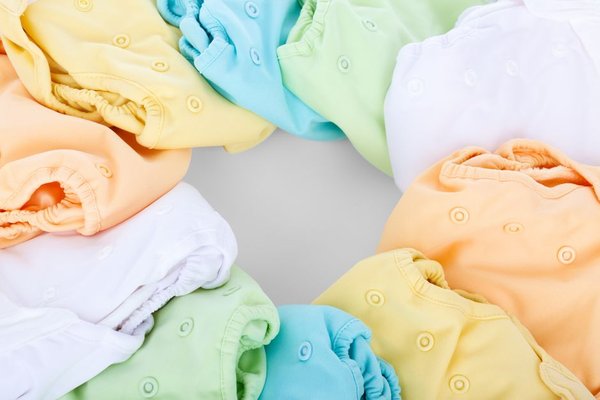
Cloth diapering has come a long way from safety pins and rubber pants. Modern cloth diapers usually come as all-in-one systems, pocket diapers, or fitted diapers with waterproof covers, often made from cotton, bamboo, or hemp blends. You wash and reuse them, which is where most of their environmental and financial benefit comes from.
The Real Cost of Cloth Diapering
The upfront investment can feel steep—a full starter stash of quality cloth diapers typically runs anywhere from $200 to $500, depending on brand and quantity. However, since you’re reusing the same set for two to three years (or even across siblings), the cost per change drops dramatically over time. Add in water, electricity, and detergent for washing, and cloth diapering still tends to come out cheaper than disposables over the long run, though it’s rarely as cheap as people expect on paper.
The Effort Factor
This is where cloth diapering asks the most of parents. Between rinsing, washing every two to three days, and dealing with the occasional blowout mid-outing, it requires a level of commitment that not every household can sustain, especially with a newborn’s unpredictable schedule. Daycare providers may also have specific policies about accepting cloth diapers, which is worth checking early.
What Are Biodegradable Diapers?
Biodegradable diapers look and function much like standard disposables—you use them once and throw them away—but they’re made with plant-based materials such as bamboo, cornstarch, or sugarcane fibre instead of conventional plastic. The goal is to reduce the decomposition timeline and cut down on petroleum-based content, without asking parents to change their daily routine.
Convenience Without the Guilt (Mostly)
For many parents, biodegradable diapers offer a middle ground: the same grab-and-go convenience as regular disposables, but with a lighter environmental conscience. No washing, no soaking, no extra laundry loads. This makes them a popular choice for busy households, travel, or the newborn phase when everyone is running on minimal sleep.
The Cost and Decomposition Reality
Biodegradable diapers usually cost more per unit than standard disposables—often 20 to 40 percent more—and significantly more than cloth diapering works out to per change once you account for reuse. It’s also worth knowing that “biodegradable” doesn’t mean “instantly disappears.” Most still need proper composting conditions to break down efficiently; tossed into a regular landfill, they may decompose only marginally faster than conventional diapers. Reading brand-specific claims carefully matters here, since the term isn’t strictly regulated in every market.
Cloth vs Biodegradable: A Side-by-Side Look
When you put sustainable diapering options next to each other, a few clear patterns emerge:
Cost over time: Cloth diapering wins for families willing to do the laundry, especially across multiple children. Biodegradable diapers cost more consistently since you’re buying new ones continuously.
Convenience: Biodegradable diapers win hands-down for busy parents, travel, or childcare situations where washing isn’t practical.
Environmental impact: Cloth diapers reduce landfill waste almost entirely but use water and energy for washing. Biodegradable diapers reduce plastic content and may decompose faster, but they’re still single-use and require proper disposal conditions to live up to the claim.
Skin sensitivity: Both options tend to use fewer harsh chemicals than standard disposables, which can be gentler on sensitive newborn skin, though every baby reacts differently.
Which One Fits Your Lifestyle?
There’s no universally “better” answer—it depends on your routine, your support system, and your priorities. If you have access to a washing machine, some flexibility in your schedule, and want the biggest long-term environmental and cost savings, cloth diapering is worth the learning curve. If you’re juggling a demanding schedule, frequent travel, or simply want an easier transition into eco-friendly diapers without overhauling your routine, biodegradable diapers offer a practical stepping stone.
Many families also land on a hybrid approach—cloth diapers at home, biodegradable diapers for outings, travel, or daycare drop-off. This flexible setup lets you enjoy the benefits of both without committing entirely to one system.
Tips for Making the Switch Smoothly
Whichever path you choose, start small. Try a trial pack of biodegradable diapers or a handful of cloth diapers before investing in a full stash. Talk to your pediatrician about any skin sensitivities before switching diaper types, especially if your baby has a history of rashes or eczema. And don’t feel pressured to go “all in” immediately—sustainable diapering is a spectrum, not an all-or-nothing decision.
Frequently Asked Questions
Are cloth diapers actually more eco-friendly than biodegradable diapers?
Generally, yes, especially over the long term, since cloth diapers are reused hundreds of times rather than discarded after a single use. However, the water and energy used for washing does factor into their overall footprint, so the gap narrows depending on your washing habits and local water usage.
Do biodegradable diapers actually decompose faster?
They can, but only under the right composting conditions. In a standard landfill with limited oxygen and moisture, decomposition can be slow regardless of the materials used, so it’s worth checking a brand’s specific claims rather than assuming all biodegradable diapers behave the same way.
Is cloth diapering more work than people expect?
It does require a routine—rinsing, washing every few days, and occasionally dealing with stains or leaks—but many parents find it becomes second nature within a few weeks. It’s a bigger adjustment than disposables, but not as demanding as it might initially seem.
Can I mix cloth and biodegradable diapers?
Absolutely. A lot of parents use cloth diapers at home and biodegradable ones for travel, daycare, or overnight use. This hybrid approach is a practical way to reduce waste without committing fully to one system.
Final Thoughts
Choosing between cloth diapering and biodegradable diapers really comes down to what fits your daily life. Both options move you away from conventional plastic-heavy disposables and toward more sustainable diapering, just through different routes—one through reuse, the other through better materials. As eco-friendly diapers continue to improve in quality and accessibility heading into 2026, parents have more room than ever to pick an approach that works for their budget, schedule, and values, without feeling like they have to choose perfection over practicality.