

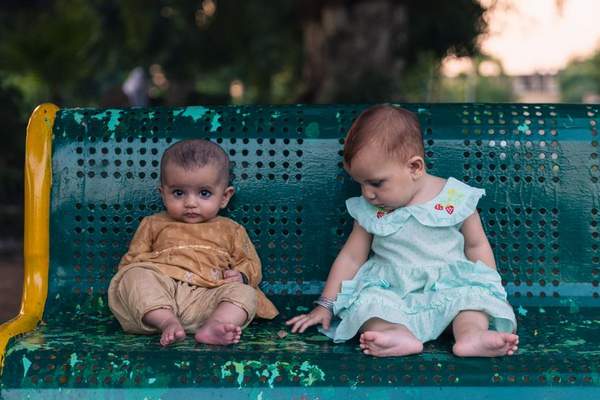
Summer dressing can feel complicated when your baby cannot tell you whether they are comfortable. The afternoon is sweltering, the supermarket is air-conditioned, and the stroller gets warmer than expected. The solution is not a different outfit for every temperature. It is breathable clothing and a habit of checking how your baby feels.
If you are wondering how to dress baby for summer, start with one light layer in hot conditions, protect skin from the sun, and adjust clothing when the surroundings change. Comfort and safe sleep matter more than a perfectly coordinated outfit.
Start With the Temperature Around Your Baby
Babies do not regulate body temperature as efficiently as adults. In hot weather, a lightweight cotton bodysuit or loose romper may be enough indoors. On especially warm days, a diaper alone can be appropriate for short periods in a comfortably shaded home.
Forget the idea that a newborn always needs an extra layer. That advice is more useful in cool conditions than in a heatwave. Consider the room temperature, humidity and whether your baby is resting, being carried or sitting in a stroller.
Choose Breathable Fabrics and a Comfortable Fit
The best summer baby clothes are soft, breathable and easy to change. Lightweight cotton is a reliable everyday choice. Soft linen blends can also work if they are not scratchy or stiff.
A thin garment is not necessarily cool if it is tight, heavily lined or made from fabric that traps heat. Check for bulky seams, decorative backing and tight elastic. Allow room around the shoulders, thighs and tummy, without loose fabric near the face.
Fit matters as much as fabric. A romper that pulls at the crotch when your baby curls up is too short, even if its age label seems correct. When buying lightweight baby clothes, check your baby’s length and the manufacturer’s measurements. A baby clothing size guide can help with between-size decisions.
Easy Hot-Weather Outfits for Everyday Situations
At home on a hot afternoon
Choose a short-sleeved bodysuit, sleeveless romper or another single light layer. Socks are usually unnecessary when the room is warm. If your baby gets sweaty during a feed, change damp clothing rather than layering over it.
On a shaded walk
Try loose, lightweight clothing that covers exposed skin, plus a brimmed sun hat while your baby is awake outdoors. Use a stroller canopy for shade, but never drape a blanket or muslin over the stroller opening: it can trap heat and reduce airflow.
Going indoors to air conditioning
Pack a thin extra layer rather than dressing your baby warmly from the start. For example, a cotton romper can be paired with a light cardigan in a chilly café. Remove the cardigan before returning outdoors.
Protect Skin From Sun Without Trapping Heat
For babies younger than six months, the American Academy of Pediatrics recommends avoiding direct sunlight. Prioritise shade, supported by lightweight clothes covering the arms and legs and a wide-brimmed hat outdoors.
For longer outings, consider breathable clothing with an ultraviolet protection factor, or UPF. Tightly woven material generally blocks more UV radiation than sheer fabric. Reflected sunlight can still reach uncovered skin even under a canopy.
For babies six months and older, age-appropriate broad-spectrum sunscreen can help protect exposed areas alongside shade and clothing. For younger babies, consult your paediatrician before using sunscreen. A baby sun protection essentials guide is useful for planning outdoor trips, but sunscreen is never a reason to stay out in dangerous heat.
Remember the Stroller, Carrier and Car Seat
Baby hot weather outfits should account for the equipment touching your child. A carrier adds your body heat, while padded seats may hold warmth against a baby’s back. Use fewer layers when appropriate and take breaks in cooler surroundings.
Never leave a baby in a parked vehicle, even with the windows open. Remove outdoor hats and extra clothing when you go indoors or enter a warm car. Avoid bulky garments that interfere with a properly fitted car-seat harness.
Dress Your Baby Safely for Summer Sleep
Overheating during sleep is linked with increased risk of sudden infant death syndrome. On warm nights, a light bodysuit may suffice; when the room is particularly hot, just a diaper can be enough. If using a wearable sleep sack, follow its sizing and warmth guidance.
Always place your baby on their back on a firm, flat sleep surface without loose blankets, pillows or toys. Never put a hat on a baby for indoor sleep. A baby sleepwear temperature guide can help compare clothing options, but your baby’s condition matters more than a chart.
Check the chest or back of the neck, rather than hands and feet, to judge warmth. Cool fingers can be normal. If the chest feels hot or sweaty, remove a layer and cool the room.
A Real Summer Outing: Pack for Changes
Imagine leaving at 9 a.m. for a doctor’s appointment, then shopping at midday. Your baby starts in a cotton bodysuit. You bring a brimmed hat for brief outdoor stretches, keep the stroller shaded and carry one thin layer for the chilly clinic. Remove it for the warmer journey home.
A small changing bag needs only a spare bodysuit, diapers, a light cover-up for cooler spaces and a clean cloth for sweat or spills. You do not need elaborate changes of clothes, just pieces that work together.
Signs Your Baby May Be Too Hot
Feel your baby’s chest or upper back periodically. A hot, sweaty torso, flushed skin or unusual irritability may mean they need cooling down. Move somewhere cooler, remove excess clothing and offer normal breastmilk or formula feeds. Do not give young infants extra plain water without medical advice.
If your baby is difficult to wake, breathing abnormally, feeding poorly or producing fewer wet diapers, seek prompt medical care. Changing an outfit cannot resolve heat-related illness.
Frequently Asked Questions
Can a baby wear just a diaper in summer?
Yes, for short periods in a hot, sheltered indoor setting. Protect their skin from sunlight outdoors and check their comfort frequently.
Should babies wear socks in hot weather?
Usually not when the room is warm and your baby is comfortable. Bare feet are fine indoors; add socks if the surroundings become cool.
Are sleeveless outfits suitable for summer?
They can work indoors or in deep shade. Outdoors, covering shoulders and arms offers better sun protection, especially for young babies.
How many layers should a newborn wear in summer?
In hot conditions, one lightweight layer is often enough. Adapt to the surroundings rather than using a fixed number of layers, and check the chest or neck regularly.
Keep Summer Dressing Simple
When you dress baby in heat, choose breathable fabrics, a comfortable fit and useful shade. A few reliable pieces are better than a crowded wardrobe. Check how your baby feels, change layers when temperatures shift and prioritise staying cool over looking dressed up.