

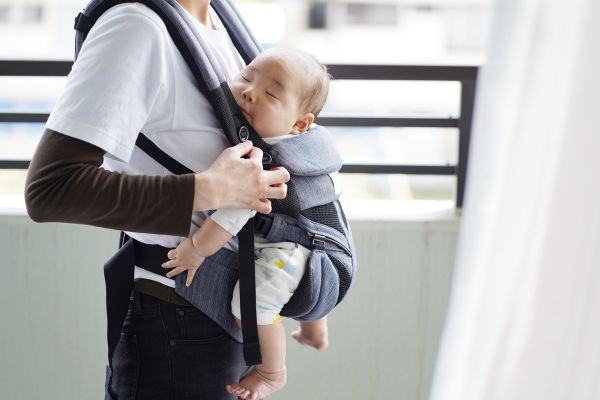
There is something almost instinctive about holding a newborn close. Long before strollers, bassinets, and modern parenting gadgets existed, parents carried babies against their bodies while working, traveling, or simply moving through daily life. That closeness still matters today, even in a world filled with convenience products and smart nursery technology.
For many new parents, baby carriers become less of an accessory and more of a daily survival tool. A newborn who refuses to nap unless held, a grocery trip that suddenly requires both hands, or a restless evening where constant movement is the only thing that calms the baby — these moments often introduce parents to the real value of babywearing.
Conversations around the best baby carriers for newborns have grown significantly in recent years because carriers now come in many different styles, fabrics, and designs. Some focus on softness and simplicity, while others emphasize ergonomic support, long-term adjustability, or outdoor practicality.
But underneath all the features and branding, parents are usually searching for the same thing: comfort, closeness, and a little more freedom during the exhausting newborn stage.
Why Newborn Baby Carriers Matter So Much
The newborn phase can feel physically demanding in ways many people do not fully anticipate beforehand. Babies often want constant contact. Some sleep only while being held. Others settle instantly against a parent’s chest after hours of fussiness elsewhere.
A baby carrier helps bridge the gap between comfort for the baby and mobility for the parent.
Unlike strollers, carriers allow parents to move through narrow spaces, crowded areas, stairs, and daily household tasks more naturally. More importantly, they allow babies to remain physically close while parents regain some use of their hands and movement.
That closeness matters emotionally too.
Newborns are adjusting to life outside the womb, and physical contact often helps regulate their breathing, temperature, and sense of security. Many parents also describe babywearing as calming for themselves during stressful early weeks when routines still feel uncertain.
The best baby carriers for newborns are not necessarily the most complicated ones. Often, they are simply the carriers that make everyday life feel slightly easier.
Soft Wrap Carriers and the Appeal of Simplicity
Soft wrap carriers remain especially popular during the newborn months because they create an extremely close, snug fit that mimics being swaddled or held.
These wraps are usually made from long pieces of stretchy fabric tied around the body in specific ways. At first glance, they can seem intimidating to new parents. Watching someone confidently wrap fabric around themselves while holding a newborn may look almost impossible during sleep-deprived weeks.
But many parents grow attached to wraps once they learn the technique.
The softness feels gentle for very small babies, especially during the early weeks when neck support and closeness matter most. Wrap carriers also distribute weight evenly across the shoulders and back, making short daily use surprisingly comfortable.
There is something calming about the quiet rhythm of wrapping and adjusting fabric around a sleeping baby. It becomes part of daily routine almost like preparing a blanket or swaddle.
Still, wraps are not ideal for everyone. Some parents find them frustrating in public spaces or warmer climates where extra fabric feels uncomfortable. Others simply prefer faster, buckle-based systems that require less adjustment.
Parenting gear often comes down to personality as much as practicality.
Structured Carriers and Long-Term Convenience
Structured carriers have become increasingly popular because they offer more support and easier setup compared to traditional wraps. Most use padded shoulder straps, waist belts, and secure buckles designed to distribute weight more efficiently.
For many parents, especially after the newborn phase begins transitioning into infancy, structured carriers become easier to use daily.
Modern structured carriers are often designed to grow alongside the child. Adjustable seat widths, head supports, and multiple carrying positions allow them to remain useful far beyond the earliest months.
Comfort becomes especially important here because babies gain weight quickly.
A carrier that feels manageable with a seven-pound newborn may feel completely different several months later. Padded waistbands and ergonomic positioning help reduce strain during longer wear periods.
The best baby carriers for newborns often strike a balance between newborn softness and long-term support. Parents frequently prefer carriers that adapt gradually rather than needing immediate replacement after a few months.
Fabric Choices Matter More Than Expected
Before having children, most people rarely think deeply about fabric breathability or texture beyond basic comfort. With newborn carriers, however, fabric suddenly becomes extremely important.
Babies generate warmth quickly when held closely against another body. Thick fabrics that feel cozy initially can become uncomfortably hot during warmer weather or longer carrying sessions.
Lightweight cotton blends remain popular because they balance softness with breathability. Linen fabrics are increasingly appreciated for hot climates because they stay cooler and become softer over time. Mesh panels and moisture-wicking materials have also become common in modern carrier designs.
Season and climate often influence carrier preferences more than people initially expect.
Parents living in humid environments may prioritize airflow above everything else, while colder regions may favor slightly thicker fabrics that provide additional warmth during outdoor walks.
Cleaning matters too. Newborn life involves spit-up, milk dribbles, diaper leaks, and constant messes. Machine-washable carriers quickly become more practical than delicate materials requiring special care.
Ergonomics and Newborn Safety
One of the biggest conversations surrounding baby carriers today involves ergonomic positioning and newborn safety. Modern parents have become much more informed about proper hip support, airway positioning, and spinal alignment during babywearing.
The safest newborn carriers support the baby in a natural, slightly curled position while keeping the face visible and airways clear. Proper positioning becomes especially important during the first few months when neck control is still developing.
Many modern carriers now include infant inserts or adjustable panels specifically designed for newborn support. This has made structured carriers more usable earlier than older models once allowed.
Parents also increasingly pay attention to their own body mechanics. Poorly balanced carriers can create shoulder tension, lower back pain, or uneven pressure during extended use.
What often surprises new parents is how emotionally reassuring proper support feels. A secure, well-positioned carrier allows parents to move more confidently instead of constantly adjusting or worrying about stability.
Confidence matters during those uncertain early parenting weeks.
Babywearing Changes Daily Life in Small Ways
The practical advantages of baby carriers often reveal themselves gradually.
Simple tasks become easier. Walking the dog, folding laundry, grocery shopping, or calming a fussy baby during dinner preparation suddenly feel more manageable when both hands are available.
For many parents, babywearing also changes how they move through public spaces. Stairs, crowded sidewalks, small cafés, airports, and uneven outdoor paths often feel simpler with a carrier than with a stroller.
Some babies also sleep longer and more peacefully while being worn, particularly during the early months when contact naps are common.
There is an emotional shift too. Carrying a newborn close throughout the day creates a rhythm of constant physical connection that many parents remember vividly long after infancy passes.
Tiny sleeping breaths against the chest, warm curled hands, or the gentle sway of walking while a baby naps quietly — these moments often become unexpectedly meaningful memories.
Fathers and Shared Babywearing
Baby carriers have also become more central to shared parenting dynamics. Fathers and partners increasingly use carriers as part of daily caregiving routines rather than viewing them as secondary parenting tools.
This matters because babywearing creates opportunities for bonding through physical closeness and caregiving involvement.
Modern carrier designs have gradually become more adjustable and inclusive to accommodate different body types comfortably. Neutral colors, minimalist aesthetics, and ergonomic improvements have also broadened their appeal.
Many parents eventually discover that different caregivers prefer different carrier styles entirely. One person may love wraps while another prefers structured carriers with simple buckle systems.
There is no universal best option because comfort and confidence vary so widely between families.
The Emotional Comfort of Keeping a Baby Close
What often gets overlooked in discussions about the best baby carriers for newborns is the emotional comfort they provide for parents themselves.
The newborn stage can feel isolating and exhausting. Sleep deprivation, feeding schedules, and constant adjustment create emotional intensity even during joyful moments.
Babywearing sometimes softens that experience by allowing parents to feel connected rather than overwhelmed by separation between caregiving and everyday life.
Instead of putting the baby down constantly while trying to complete basic tasks, carriers allow routines to happen together. That physical closeness can feel grounding during uncertain early weeks.
Of course, carriers are not magical solutions. Some babies dislike certain positions. Some parents find wraps frustrating. Others experience physical discomfort despite proper fit.
But for many families, babywearing becomes one of those surprisingly important tools that quietly shape the rhythm of early parenthood.
Conclusion
The search for the best baby carriers for newborns is rarely just about finding the trendiest design or most advanced features. At its core, it is about comfort, connection, and making daily life with a newborn feel slightly more manageable.
Soft wraps, structured carriers, breathable fabrics, ergonomic support systems, and adjustable designs all offer different advantages depending on family needs and parenting styles. Some parents prioritize simplicity, while others value long-term versatility or outdoor practicality.
What matters most is finding a carrier that feels secure, comfortable, and natural for both parent and baby.
In the end, baby carriers are more than practical tools. They become part of daily routines, sleepy walks, comforting moments, and early bonding experiences that often stay in memory long after the newborn phase disappears.