

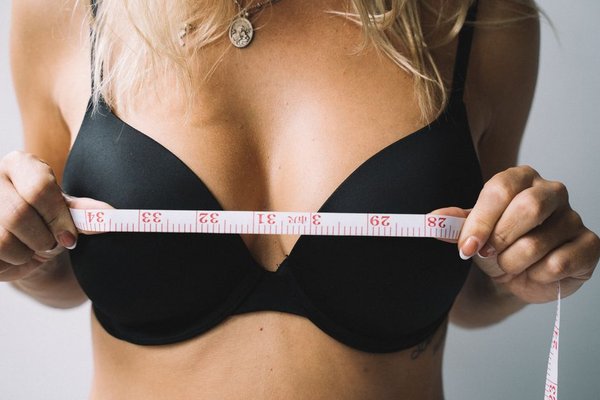
A breast pump can feel wrong if the flange does not fit your body. The flange, also called a breast shield, is the funnel-shaped part that rests against the breast while the nipple moves inside its tunnel. A good breast pump flange fit should allow that movement without rubbing, pinching, or pulling an excessive amount of areola into the tunnel. When the fit is off, pumping may become uncomfortable and milk removal can be less effective.
Flange sizing is not about using the size that came in the pump box and assuming it is correct. Nipples vary in diameter, each breast can need a different size, and size can change after birth. The most useful approach is to measure, test the fit while pumping, and adjust according to comfort and nipple movement.
What breast pump flange size actually means
Flange sizes are usually listed in millimeters and refer to the diameter of the tunnel your nipple enters. The number is not the width of your areola or the outer funnel. Many pumps include standard sizes, but those are only starting options.
The right pump shield size should give the nipple room to move freely during suction. It should not scrape along the tunnel walls, and the breast should form a comfortable seal against the flange. Some areola movement can occur, but excessive areola being drawn into the tunnel can suggest the flange is too large.
How to measure for a starting flange size
Measure the diameter of the nipple at its base in millimeters, without including the areola. Measure both nipples because they may not be identical. A nipple-sizing ruler or a printable tool from the pump manufacturer can make this easier.
Measurement gives you a starting point rather than a guaranteed answer. Guidance varies by manufacturer, and there is no single evidence-based formula that fits everyone. Cleveland Clinic notes that adding roughly 2 to 4 mm to the nipple measurement is commonly used as a starting range, while individual pump brands may recommend slightly different allowances. The final choice should be judged by both the number and what happens during an actual pumping session.
For example, if one nipple measures 17 mm before pumping, a flange or insert around 19 to 21 mm may be worth testing, depending on your pump. If the nipple rubs at 19 mm, the next size may feel better. If a 21 mm option pulls a large amount of areola inward and causes swelling, a smaller size may be more suitable. This comparison is more useful than treating a flange sizing guide as an exact formula.
Signs the flange may be too small
A flange that is too small may make the nipple rub or press against the tunnel walls. You may notice tenderness, redness, pinching, blanching, or irritation after pumping. The nipple may not move smoothly with each suction cycle. Repeated friction can also contribute to cracking or other nipple trauma.
Low milk output alone does not prove that the flange is too small, because milk production and pumping response have many causes. But if reduced output appears together with rubbing, pain, or restricted nipple movement, flange fit is worth reassessing.
Signs the flange may be too large
With an oversized flange, more breast or areola tissue may be pulled into the tunnel than necessary. The sensation can feel like an uncomfortable tug. Swelling around the nipple or areola, soreness, or poor milk removal despite increasing suction can also suggest the size or flange style is not ideal.
More suction is not a reliable fix for a poor fit. Increasing vacuum when tissue is already being stressed can make pumping less comfortable. Use a comfortable suction level and correct the sizing or alignment problem instead.
What a good flange fit looks and feels like
During pumping, the nipple should be centered in the tunnel and move back and forth freely without repeatedly scraping the sides. Pumping should feel like firm, rhythmic suction rather than sharp pain, burning, or pinching. Milk should flow normally for you after let-down, and the nipple should not look unusually swollen, bruised, cracked, or discolored afterward.
Watch the flange during a normal pumping session rather than judging it only before the pump turns on. Suction changes the shape and length of nipple tissue, so a flange that appears spacious at rest may behave differently in use.
Small adjustments that can improve pumping comfort
Center the nipple before starting the pump, then hold the flange against the breast without forcing it inward. With a wearable pump, check alignment before closing your bra because the nipple can be harder to see once the device is in place. If your pump offers several vacuum levels, choose a level that remains comfortable rather than automatically selecting the maximum.
Flange shape and material can matter as well as diameter. Some people prefer a softer silicone insert, a tapered tunnel, or a different flange shape even when the labeled size is similar. If your pump offers only limited sizes, an insert designed for that system may provide a closer fit. Related guidance on pumping schedules, milk storage, and breast pump cleaning can also help.
When to recheck your flange size
Do not assume one measurement will remain correct indefinitely. Nipple size can change after birth and during lactation, and the two sides may continue to fit differently. Recheck if you develop new pain, rubbing, swelling, a sudden change in pumping comfort, or persistent difficulty removing milk.
If pumping continues to hurt despite trying a different flange size and comfortable suction settings, seek help from an International Board Certified Lactation Consultant, breastfeeding medicine clinician, or another qualified healthcare professional. Ongoing pain, bleeding, significant nipple damage, fever, or breast redness deserves professional assessment rather than repeated trial and error.
Frequently asked questions
Should the flange touch my nipple?
The nipple can come close to the tunnel walls, but it should move freely without repeated rubbing or compression. Persistent friction, pinching, or pain suggests the fit needs adjustment.
Should I add a fixed number of millimeters to my nipple measurement?
Use any added allowance as a starting point, not a rule. Different manufacturers recommend different ranges, and the best size is confirmed by comfort, free nipple movement, and effective milk expression.
Can each breast need a different flange size?
Yes. Measure both nipples separately and judge each side while pumping. It is completely possible to use one flange size on the left and another on the right.
Can the correct flange size change over time?
Yes. Breast and nipple tissue can change during the postpartum period and throughout lactation. If a previously comfortable setup starts rubbing, pulling, or causing swelling, measure again and reassess the fit.
Finding the fit that works for you
The best breast pump flange size is not simply the closest number on a chart. Start with an accurate nipple measurement, use your pump manufacturer’s sizing guidance, then confirm the choice during real pumping. Comfortable nipple movement, minimal tissue irritation, and effective milk removal matter more than matching a generic standard size. A few millimeters can make a noticeable difference, and fine-tuning the fit can make regular pumping much more manageable.