

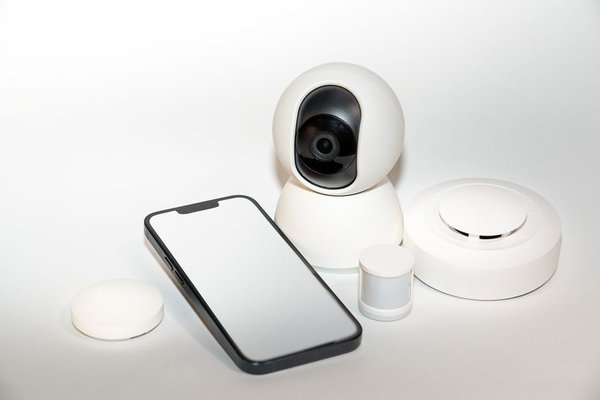
Smart baby monitors have moved beyond grainy night vision and one-way audio. In 2026, leading models combine sharp video, app access, sleep insights and smarter alerts, but they do not all solve the same problem. Some focus on sleep coaching, some on wellness data, and others on AI alerts.
For first-time parents, the best choice is usually not the monitor with the longest feature list. It is the one that matches how you actually want to check on your baby at 2 a.m. Here is how Nanit Pro, Owlet Dream Sight with Dream Sock, CuboAi Smart Baby Monitor 3, and Philips Avent Premium Connected compare.
Quick comparison: which smart baby monitor suits you?
- Nanit Pro: best for detailed sleep tracking and an overhead crib view.
- Owlet Dream Sight + Dream Sock: best for video alongside pulse-rate and oxygen-saturation information.
- CuboAi Smart Baby Monitor 3: best for AI-style alerts such as covered-face, rollover, cry and cough detection.
- Philips Avent Premium Connected: best for smart features with a dedicated parent unit that works locally without Wi-Fi.
If you are building a registry, think about the monitor alongside newborn sleep essentials and nursery safety basics. A premium monitor is worthwhile only if its standout features fit your household.
Nanit Pro: best for camera-based sleep tracking
Nanit is a sleep-first smart baby monitor. Its 1080p video baby monitor setup uses an overhead crib view, with computer-vision-based sleep tracking, motion and sound notifications, two-way audio, temperature and humidity readings, and optional breathing-motion monitoring using patterned Breathing Wear rather than an electronic sock.
Parents who want to see when their baby fell asleep, how often they woke and how the night is trending may get more value here than from a basic wifi baby monitor. The trade-off is that deeper sleep analytics and longer video history sit behind Nanit Insights plans after the included trial, and some sleep features work best with the wall or floor mounting setup.
Nanit says it uses 256-bit AES encryption and supports two-factor authentication. These are useful protections to look for in any internet-connected nursery camera.
Owlet Dream Sight + Dream Sock: best for wellness data
Owlet is different because the camera and wearable can work as one ecosystem. Dream Sight provides 2K HD video, night vision, cry and motion detection, two-way talk, and room temperature and humidity monitoring. Pair it with Dream Sock and the app can also show pulse rate, oxygen saturation, movement and sleep trends.
That makes the Nanit vs Owlet choice fairly clear. Choose Nanit if you mainly want camera-based sleep analysis and an overhead crib view. Choose Owlet if you value wearable wellness readings alongside video. In the United States, Dream Sock is FDA-cleared for over-the-counter pulse-rate and oxygen-saturation monitoring for healthy babies within its indicated age range.
A smart monitor should complement, not replace, safe-sleep practices, routine supervision or medical advice.
CuboAi Smart Baby Monitor 3: best for proactive AI alerts
CuboAi Smart Baby Monitor 3 stands out for what its camera can recognise. The current model offers 2.5K QHD video, night vision, sleep reports and AI alerts for events such as face covering, rollover, crying and coughing. Optional accessories can add breathing-motion tracking without a wearable.
For parents moving a baby from a bedside bassinet to a cot, those alerts may feel more useful than another sleep score. If your baby has recently learned to roll, for example, you may care more about rollover or covered-face notifications than knowing total sleep was slightly shorter than the previous night.
CuboAi highlights AES-256 encryption, two-factor authentication, a Who’s Online view and connection history. Some advanced features require a CuboAi Care plan, so compare ongoing costs as well as the purchase price.
Philips Avent Premium Connected: best hybrid option
Philips takes a more traditional route. The Avent Premium Connected combines Full HD video and app access with a dedicated 5-inch parent unit, so local monitoring does not depend on Wi-Fi. Its SenseIQ system can provide wearable-free sleep and breathing-status information once activated through the app.
This is appealing if you do not want your phone to be the only screen. One parent can leave the parent unit in the kitchen while another still has remote app access. Philips also describes encrypted connections and offers a privacy mode that can disable the app live feed while local monitoring continues.
What matters before you buy?
Sleep tracking
If sleep data is your main reason for going smart, Nanit is the most straightforward camera-led option. Owlet adds wearable wellness information, while CuboAi and Philips take different approaches. Check which insights are included and which require a subscription.
Privacy and connection
Any Wi-Fi camera adds an online account and potentially cloud services. Use a unique password, enable two-factor authentication where available, install firmware updates and remove guest access you no longer need. If app-only monitoring makes you uncomfortable, a dedicated parent unit can be a meaningful advantage.
Total price
Do not compare only the box price. Subscriptions, mounts, wearables and sensor pads can change the two-year cost considerably. The best value is the model whose paid extras you will actually use.
Which one is worth it?
For most first-time parents who want strong sleep data without an electronic wearable, Nanit Pro is the easiest recommendation. Owlet suits families who specifically want wearable readings integrated with video. CuboAi stands out for proactive visual alerts, while Philips Avent Premium Connected is a strong fit if you want app features without giving up a dedicated parent screen.
Before adding one to your registry, decide which feature you would miss most: sleep analytics, wellness readings, AI alerts or local non-Wi-Fi viewing. That answer usually identifies the right monitor faster than comparing dozens of specifications. You may also want to review baby registry essentials for first-time parents so the monitor budget stays balanced.
FAQ
Do smart baby monitors work without Wi-Fi?
Many app-led models need Wi-Fi for remote viewing and cloud features. Some hybrid systems, including Philips Avent Premium Connected, can provide local video through a dedicated parent unit without Wi-Fi.
Is a smart baby monitor worth the extra cost?
It can be if you will genuinely use sleep tracking, remote access or specialised alerts. If you only want reliable video and audio from the next room, a simpler monitor may offer better value.
Is Nanit better than Owlet?
Nanit is generally better for camera-based sleep insights and an overhead crib view. Owlet is more suitable for parents who want video combined with wearable pulse-rate and oxygen-saturation monitoring.
Can a smart monitor replace safe-sleep checks?
No. Smart alerts and tracking can provide extra information, but they do not replace safe-sleep guidance, attentive caregiving or medical advice when a baby appears unwell.
Final thoughts
The best smart baby monitor in 2026 is the one that reduces friction rather than creating another source of notifications. Nanit is the strongest sleep-focused all-rounder, Owlet offers distinctive wearable integration, CuboAi brings useful AI safety alerts, and Philips combines smart monitoring with a standalone parent unit. Match the technology to your real bedtime routine, and the choice becomes much simpler.