

Traveling with a newborn sounds simple in theory. Babies are tiny, they sleep a lot, and they do not need entertainment in the way older children do. Then reality taps you on the shoulder. There are diapers, feeding schedules, naps that may or may not happen, car seats, extra clothes, and the quiet worry that your baby might cry at the exact moment you need everything to go smoothly.
Still, traveling with a newborn does not have to feel impossible. In many ways, the newborn stage can be a gentle time to travel if you prepare well and keep your expectations realistic. The goal is not to recreate the way you traveled before becoming a parent. The goal is to move through the journey with patience, flexibility, and enough planning to keep everyone reasonably comfortable.
Start with a Realistic Mindset
The first thing to pack is not a diaper bag. It is a slower pace.
Newborns do not understand schedules, boarding times, hotel check-ins, or traffic delays. They only know when they are hungry, tired, uncomfortable, or in need of closeness. When parents accept this before the trip begins, the whole experience becomes less stressful.
A trip with a newborn may include more stops, longer breaks, and fewer activities. That does not mean the trip has failed. It simply means the rhythm has changed. Instead of trying to squeeze in too much, leave space between plans. A quiet afternoon in a hotel room, a slow walk after a feeding, or an early night can be just as valuable as a packed itinerary.
Talk to Your Pediatrician Before the Trip
Before traveling with a newborn, especially during the first few weeks, it is wise to check in with your baby’s doctor. Every baby is different. Some newborns may need extra care because of feeding concerns, early birth, recent illness, or other health factors.
A pediatrician can help you understand whether your baby is ready for travel, what precautions make sense, and what to do if your baby develops a fever or seems unwell while away from home. This is especially important if you are planning air travel, a long road trip, or a visit to a crowded place.
That one conversation can bring a lot of peace of mind. It also helps you avoid relying on random advice when you are tired and unsure.
Choose the Right Time to Travel
Newborns often have unpredictable sleep patterns, but they still tend to have quieter windows during the day. If you are driving, try to plan the longest stretch around a time when your baby usually sleeps. Many parents find that early morning travel works well because the baby is calmer, the roads may be less busy, and adults are not yet exhausted.
For flights, nonstop routes are often easier when available. Fewer connections mean fewer chances for delays, rushed gate changes, or repeated boarding and landing. A short flight at a slightly inconvenient time may sometimes be better than a long travel day with multiple stops.
The best timing is not always the cheapest or most convenient on paper. It is the timing that gives your family the best chance of staying calm.
Pack Light, But Pack Smart
It is tempting to pack everything when traveling with a newborn. Every tiny outfit, every blanket, every cream, every “just in case” item suddenly feels necessary. But too much luggage can become its own problem.
Focus on the items your baby uses every day. Diapers, wipes, feeding supplies, burp cloths, a few extra outfits, swaddles or sleep sacks, and any needed medicines should be easy to reach. Keep one small emergency change of clothes for yourself too, because newborn messes rarely respect boundaries.
The diaper bag should be organized in a way that makes sense when you are tired. Place diapers and wipes together. Keep feeding items in one section. Put extra clothes in a separate pouch. When your baby needs something quickly, you do not want to dig through a bag like you are searching for buried treasure.
Protect Feeding Time
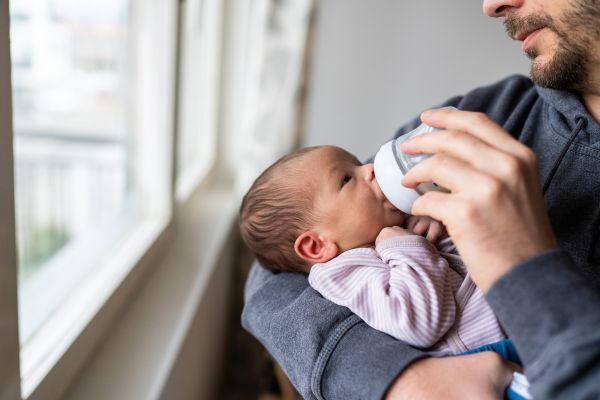
Feeding is one of the biggest parts of newborn travel. Whether your baby is breastfed, formula-fed, or both, try to build the trip around feeding rather than forcing feeding to fit the trip.
For road travel, plan safe stopping points where feeding can happen calmly. For flights, feeding during takeoff or landing may help some babies with ear pressure, though every baby responds differently. If using bottles, pack more than you think you will need in case of delays.
Newborns can sense tension. A calm feeding break can reset the whole family. It gives the baby comfort, gives parents a pause, and often makes the next part of the journey easier.
Keep Sleep Familiar Where Possible
Newborn sleep is already delicate. Travel can make it even more unpredictable. A new room, different sounds, bright lights, or skipped naps can all affect how settled your baby feels.
You cannot control everything, but you can create small pieces of familiarity. Bring a swaddle, sleep sack, or blanket your baby already uses. Keep bedtime routines simple and recognizable. A diaper change, feeding, soft light, and a familiar soothing pattern can help your baby understand that it is time to rest.
Where your baby sleeps matters too. Use a safe, firm, flat sleep surface designed for infants. Avoid makeshift sleep arrangements that may seem convenient but are not safe. When you are away from home and tired, it is easy to take shortcuts. This is when simple safety habits matter most.
Dress Your Baby for Comfort
Newborns cannot tell you when they are too hot, too cold, or uncomfortable in a scratchy outfit. Travel days are not the time for complicated clothing. Soft layers are usually the easiest choice.
Choose outfits that make diaper changes simple. Snaps and zippers are your friends. Bring a light layer in case the car, airport, or hotel room is cooler than expected. Also keep in mind that babies can overheat, especially when bundled in blankets or worn close to the body for long periods.
Comfortable clothes may not look perfect in photos, but they make the journey easier. And honestly, a peaceful baby is better than a stylish but fussy one.
Plan for Diaper Changes Anywhere
One of the truths of traveling with a newborn is that diaper changes happen wherever they decide to happen. A clean changing station is wonderful, but you cannot always count on finding one at the right moment.
Carry a portable changing mat, extra wipes, diaper bags, and a spare outfit within easy reach. During road trips, change the baby during planned stops even if the diaper is only slightly wet. It can prevent discomfort later when stopping may not be as easy.
In airports, restaurants, or public places, try to stay calm and practical. New parents often feel embarrassed when things get messy in public, but most people have seen it before. Babies are babies. Handle it, clean up, and move on.
Keep Germ Exposure in Mind
Newborn immune systems are still developing, so crowded places can make parents nervous. You do not need to panic, but it helps to be thoughtful.
Wash your hands often, carry sanitizer for moments when soap is not available, and limit unnecessary touching from others. Many people love newborns and want to get close, but it is okay to set boundaries. A simple, polite “We’re being careful with germs right now” is enough.
If you are visiting family, it may help to explain your comfort level before the trip. That way, expectations are clear before everyone is standing around the baby.
Give Yourself More Time Than You Think You Need
Newborn travel runs on baby time. A feeding can take longer than expected. A diaper leak can happen right before leaving. The baby may fall asleep just when you planned to get moving.
Build extra time into every part of the day. Leave earlier for the airport. Start packing before the morning of departure. Plan shorter outings once you arrive. Rushing adds pressure, and pressure often makes small problems feel bigger than they are.
Extra time does not remove every challenge, but it gives you room to breathe. That breathing room can change the entire mood of the trip.
Accept That Crying May Happen
Many parents worry most about their newborn crying in public, especially on a plane or in a hotel. The fear of bothering other people can feel heavy. But newborns cry. It is one of the main ways they communicate.
If your baby cries, focus on the baby rather than the room. Check the basics first: hunger, diaper, temperature, gas, tiredness, or the need to be held. Sometimes a baby simply needs closeness and time.
Most people are more understanding than anxious parents imagine. And even if someone seems annoyed, your job is not to keep every stranger perfectly comfortable. Your job is to care for your baby with patience.
Make the Destination Newborn-Friendly
The journey matters, but so does the place you are going. A newborn-friendly destination does not have to be fancy. It simply needs to support rest, feeding, and basic baby care.
A quiet room, access to laundry, a refrigerator for feeding supplies if needed, and nearby stores can make life easier. If staying with family, talk ahead about sleeping arrangements and space for baby items. If staying in a hotel, ask what infant-friendly options are available before arrival.
Once you reach your destination, resist the urge to do too much. Newborns can become overstimulated quickly. Short visits, calm environments, and breaks throughout the day often work better than full schedules.
Let the Trip Be Imperfect
Even with careful planning, something will probably go sideways. A nap will be missed. A bottle may spill. A diaper may leak at the worst possible time. You might forget something that felt essential.
That does not mean you are unprepared or doing it wrong. It means you are traveling with a newborn, which is a tender, unpredictable, and sometimes messy experience.
The best travel memories from this stage are often not polished. They are small and quiet. A baby sleeping against your chest in a new place. A peaceful feeding after a long drive. The relief of finally arriving. The feeling that, somehow, you managed.
Conclusion
Traveling with a newborn asks parents to slow down, think ahead, and stay flexible when plans shift. It is less about perfect schedules and more about creating enough comfort and calm for both the baby and the adults. With smart packing, safe sleep habits, thoughtful feeding plans, and realistic expectations, the journey becomes much easier to manage.
The newborn stage is brief, and travel during this time will not look like travel used to. But it can still be meaningful. It can teach patience, confidence, and the quiet art of caring for a tiny person away from home. In the end, a successful trip is not the one where everything goes exactly as planned. It is the one where your baby is cared for, you give yourself grace, and your family finds its own new rhythm on the road.