

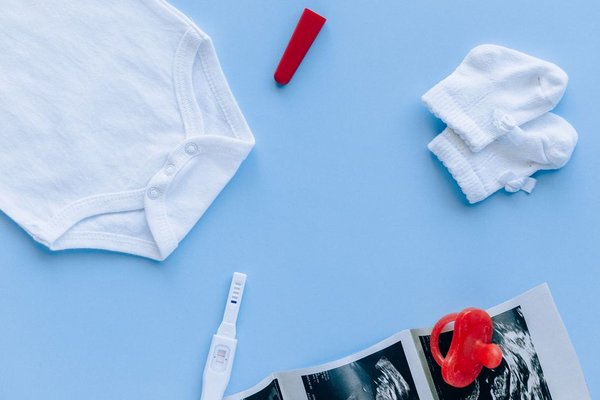
A newborn registry can easily become a shopping list for every product marketed to first-time parents. It does not need to be. A better newborn registry checklist focuses on what you will use repeatedly in the first year, gives you enough for the early weeks, and leaves room to learn what your baby actually prefers. Think “buy less, buy well, and keep receipts” rather than filling every category just because a registry suggests it.
The most useful baby registry essentials solve daily needs: safe sleep, feeding, diapering, clothing, basic care, and transport. Use this as a practical first-time parent checklist rather than a challenge to collect as much gear as possible.
Start With Safe Sleep Essentials
Your baby needs one safe sleep space from day one. Choose a crib, bassinet, portable crib, or play yard that meets current safety standards where you live, with a firm, flat mattress designed for that product and a fitted sheet. Current pediatric and consumer-safety guidance supports placing babies on their backs for sleep and keeping the sleep space bare.
Register for the sleep space, two or three fitted sheets, and one or two appropriately sized wearable sleep sacks if you plan to use them. Skip crib bumpers, pillows, loose blankets, sleep positioners, and products that rely on an incline for infant sleep. A decorative nursery can wait; a correctly set-up sleep space cannot.
Choose Feeding Gear Around Your Likely Routine
Feeding needs vary more than registry categories suggest. Whether you expect to breastfeed, formula feed, pump, or combine methods, avoid buying a large supply of one bottle or nipple style before you know what works for your baby.
A sensible starting point is four to six bottles with newborn-flow nipples, a bottle brush, and a drying area if bottles will be part of your routine. Add milk-storage bags only if you expect to pump regularly. If you use formula, choose infant formula suitable for your baby and follow preparation instructions carefully. In the U.S., current CDC guidance recommends iron-fortified infant formula and stresses clean feeding equipment.
A bottle warmer is optional; formula does not need to be warmed. Register for feeding tools that match your likely routine, then expand after you see what you actually use.
Keep Diapering Flexible
Diapers and wipes are high-use items, but babies grow quickly and some brands fit better than others. Instead of requesting a huge supply of newborn-size diapers, register for smaller quantities of newborn and size 1 diapers, plus fragrance-free wipes or cotton pads.
Add a changing pad or washable mat, diaper cream, and perhaps a small supply caddy. A dedicated changing table is optional and may not be worth the extra space.
Buy Clothes for Real Life, Not Just Photos
When deciding what to buy for a newborn, it is easy to overbuy tiny outfits. Frequent changes make practical clothing far more useful than elaborate sets. Start with roughly six to eight bodysuits, six to eight sleepers, several pairs of socks if needed, and a few climate-appropriate layers. Include 0–3 month and 3–6 month sizes instead of making everything newborn size.
Choose simple fastenings and machine-washable fabrics. Imagine changing a diaper at 3 a.m.; complicated buttons and multiple layers quickly lose their appeal.
Add Basic Bath, Grooming, and Health Supplies
You do not need a cabinet full of baby toiletries. An infant bath or suitable bath support, a few washcloths, two towels, mild baby wash, and a soft brush are enough to begin.
For basic care, add a digital thermometer, baby nail clippers or an electric nail file, saline drops, and a nasal aspirator. A cool-mist humidifier may be useful in dry conditions, but it is optional. Avoid turning the registry into a home pharmacy; medicines and dosing should be discussed with your child’s healthcare professional when needed.
Prioritize the Car Seat Before Extra Travel Gear
A properly installed rear-facing car seat belongs near the top of any newborn registry checklist. Choose a seat that fits your vehicle, your newborn, and current safety requirements. NHTSA guidance says children should remain rear-facing until they reach the maximum rear-facing height or weight allowed by the seat manufacturer.
Choose a stroller around real life: public transport, apartment stairs, car-heavy errands, storage space, and the surfaces you walk on. Compact may beat feature-heavy if it fits your routine better.
What Can Wait Until After the Baby Arrives?
This is where a curated registry saves money and space. Large quantities of swaddles, specialty carriers, pacifiers, high chairs, baby-food equipment, activity centers, and toy collections can usually wait.
A practical example: instead of registering for 12 bottles, three swaddle systems, and 200 newborn diapers, start with a small bottle set, two sleep sacks, and mixed diaper sizes. After a couple of weeks at home, you will know which bottle is accepted, what sleep clothing works, and which diaper fit suits your baby. Then you can buy more with far less waste.
Use a Simple Priority Order
If your budget or gift list is limited, prioritize safe sleep space and sheets, a rear-facing car seat, diapers and wipes, basic feeding supplies, everyday clothing, a thermometer and grooming basics, then a stroller or carrier if it suits your lifestyle. Decorative nursery pieces, duplicate gear, gadgets, and future-stage products can come later.
Include a mix of price points, but make lower-cost options genuinely useful: fitted sheets, diapers, wipes, simple clothing, and feeding supplies.
Newborn Registry Checklist FAQs
How many items should be on a newborn registry?
There is no ideal number. A focused registry that covers daily essentials can be more useful than a list with 100-plus products. Build around the first few months, add a few later-stage items, and avoid duplicates unless you know you will use them.
When should first-time parents start a baby registry?
Many parents begin researching during the second trimester and share the registry before a baby shower or when family starts asking what is needed. Starting early gives you time to compare safety information and avoid rushed purchases.
What should you leave off a newborn registry?
Leave off unsafe sleep accessories, large quantities of one diaper or bottle brand, and expensive gadgets you have not decided you need. For sleep, keep the crib or bassinet bare apart from the fitted sheet and use products intended for infant sleep.
Should the registry include items for the whole first year?
Yes, but selectively. A few larger clothing sizes or later feeding items can make sense. The bulk of the registry should still solve immediate newborn needs so you are not storing months of gear before you know your family’s routine.
Build a Registry That Leaves Room to Learn
The best newborn registry checklist is not the one with the most products. It is the one that gets you safely through the early weeks without filling your home with things you may never use. Cover sleep, feeding, diapering, clothing, basic care, and transport first. Choose versatile products, register for modest quantities, and leave nonessential purchases until you understand your baby and your routine. That approach is usually better for your space, budget, and gift-givers too.