

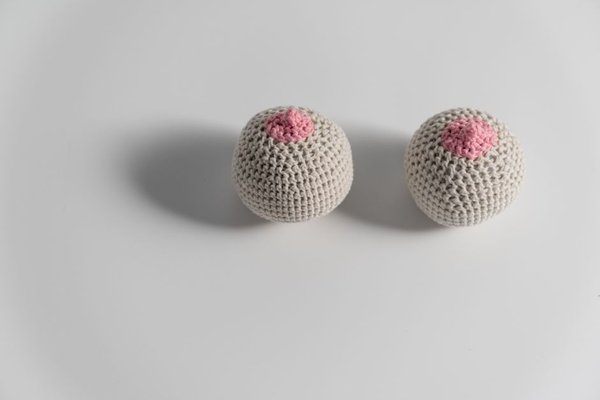
Flat nipples can make the first days of breastfeeding feel more complicated, especially when standard latch advice seems to assume the nipple already projects clearly. The reassuring part is that a baby does not feed from the nipple alone. A deep latch draws the nipple and surrounding breast tissue into the mouth, so nipple shape by itself does not determine whether breastfeeding will work.
Some babies latch easily from the beginning, while others need extra positioning, gentle nipple stimulation, or hands-on support. The goal is not to force the nipple into a different shape. It is to make the breast easier for your baby to take deeply and comfortably.
Why Flat Nipples Can Affect the Latch
A flat nipple sits close to the level of the areola instead of projecting outward. It may become more prominent with touch, pumping, or feeding, or it may remain relatively flat. This differs from a deeply inverted nipple, which pulls inward.
For a newborn learning to feed, a less prominent nipple can provide a weaker cue for where to open and attach. Engorgement can make the problem more noticeable because a very full breast can flatten the nipple and firm the areola.
Start With Positioning That Encourages a Deep Latch
For flat nipples breastfeeding often becomes easier when the focus shifts from the nipple tip to the baby’s whole-body position. Keep your baby’s head and body aligned, bring the baby close, and aim the nipple toward the nose. This encourages the baby to tip the head slightly back and open wide.
Wait for a wide-open mouth before bringing the baby onto the breast. The chin should come into the breast first, and the mouth should take in more than the nipple. A shallow latch is more likely to feel pinchy or painful and may reduce milk transfer.
Try a breast-sandwich hold
Gently compress the breast with your fingers well behind the areola, shaping it in the same direction as the baby’s mouth. Think of making the breast easier to take as a larger mouthful. Avoid pinching directly around the nipple.
Experiment with position
Laid-back breastfeeding can give the baby more body contact and freedom to approach the breast. A rugby or football hold can also help because you can see the mouth clearly while supporting the shoulders and neck.
Use Gentle Nipple Stimulation Before a Feed
If your baby keeps searching but struggles to latch, a little nipple stimulation before feeding may help. Gently roll the nipple between your fingers for a short time, or use a breast pump briefly to draw it forward. Hand expressing a few drops of milk can also encourage attachment because milk is immediately available.
A practical routine is to hold your baby skin-to-skin, express a few drops, shape the breast, and attempt the latch when early feeding cues appear. Babies often latch more patiently before they are crying hard.
If the Breast Is Very Full, Soften the Areola First
When milk comes in, the breast may become so full that the nipple looks flatter than usual. Before trying to latch, hand express a small amount of milk or use gentle fingertip pressure around the base of the nipple for a short period to soften the areola. The aim is simply to make the tissue easier for your baby to take into the mouth.
How to Tell Whether the Latch Is Working
A successful latch with flat nipples should be judged by what happens during the feed, not by how far the nipple protrudes. Your baby’s mouth should be open wide, the chin should stay close to the breast, the cheeks should look rounded, and you should notice rhythmic sucking with swallowing once milk is flowing.
Persistent sharp pain, cracking, bleeding, or a nipple that comes out visibly pinched or wedge-shaped suggests that the attachment needs adjusting. Re-latching is usually better than trying to tolerate a painful feed.
When a Nipple Shield May Help
A thin silicone nipple shield can sometimes help when flat or inverted nipples continue to make feeding difficult. It provides a more defined shape for the baby to feel in the mouth, but it is best treated as a tool rather than the automatic first step.
Fit and attachment still matter. A shield that is the wrong size, or a baby who latches only onto its tip, may not remove milk as effectively. If you are considering one, seek lactation latch support from a qualified lactation consultant, breastfeeding counsellor, midwife, or clinician with breastfeeding expertise.
A Real-World Example
Imagine a newborn who latches easily on the right breast but slips off repeatedly on the left, where the nipple is flatter. The parent tries a rugby hold, expresses a few drops of milk, gently shapes the breast, and waits for a wide gape. The baby takes more breast tissue into the mouth and begins swallowing. If that breast is also very full, softening the areola first may make the next attempt easier.
When to Get Extra Help
Ask for breastfeeding support early if your baby repeatedly cannot stay latched, feeds are consistently painful, you have cracks or bleeding, or you are worried about milk intake. Poor weight gain, fewer wet nappies than expected after the early newborn period, unusual sleepiness, or long feeds without clear swallowing also deserve prompt professional assessment.
Frequently Asked Questions
Can you breastfeed successfully with flat nipples?
Yes. Many people breastfeed successfully with flat nipples because babies take the nipple and surrounding breast tissue into the mouth. Some babies simply need more time, positioning adjustments, or temporary support.
Should I pump before every feed?
Usually not. Brief pumping may help draw the nipple forward before a difficult latch, but it is not automatically necessary at every feed. Seek individualized advice if you are pumping frequently because your baby cannot latch.
Can flat nipples cause low milk supply?
Flat nipples do not directly cause low milk supply. The concern is indirect: if the baby cannot attach well or remove milk effectively, milk production may be affected over time. Improving latch and monitoring feeding effectiveness are more important than nipple shape itself.
Do flat nipples always require a nipple shield?
No. Many babies latch without one, especially with good positioning, breast shaping, skin-to-skin contact, and gentle stimulation before feeds. A nipple shield may be useful in some situations, ideally with skilled breastfeeding support.
Finding What Works for You and Your Baby
Breastfeeding with flat nipples may require a little experimentation, but the most useful changes are usually simple: bring the baby close, wait for a wide mouth, shape the breast when needed, soften a very full areola, and use brief stimulation if it helps. Judge success by comfort, swallowing, milk transfer, and your baby’s growth rather than nipple appearance. If feeding remains painful or frustrating, early lactation support can help create a plan tailored to you and your baby.