

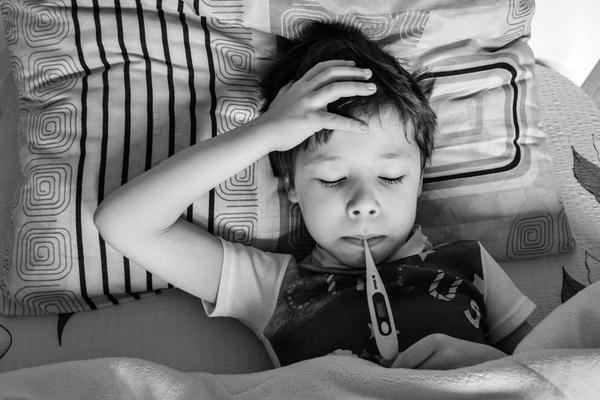
Baby meningitis symptoms can be difficult to recognize because infants often cannot show the classic signs seen in older children. A baby with meningitis may seem unusually sleepy, feed poorly, vomit, or cry differently from normal. These changes can resemble more common illnesses, but meningitis can become life-threatening quickly. If you suspect it, seek emergency medical care immediately rather than waiting for more signs to develop.
Why meningitis warning signs look different in babies
Meningitis is inflammation of the protective membranes surrounding the brain and spinal cord. It can be caused by several infections, including viruses and bacteria. Bacterial meningitis requires urgent hospital treatment; some viral cases are milder, but parents cannot reliably tell the difference at home.
Babies may not develop an obvious stiff neck or show that light hurts their eyes. Infant meningitis signs can appear in any order, and a baby does not need to have every symptom. What matters most is recognizing a serious change in how your baby looks, feeds, moves, or responds.
Early baby meningitis symptoms to watch for
Fever or an unusually low temperature
Fever can be a warning sign, although meningitis does not always cause a high temperature. Young babies with serious infections can sometimes have a low temperature instead. A temperature of 38°C (100.4°F) or higher in a baby younger than three months needs urgent medical assessment, even when the baby has no other obvious symptoms.
Parents searching for meningitis fever baby guidance should remember that a thermometer reading alone cannot confirm or rule out meningitis. A baby who is difficult to wake, floppy, or seriously unwell needs emergency help regardless of the temperature.
Poor feeding or refusing feeds
A baby who suddenly struggles to breastfeed, takes much less formula than usual, or repeatedly refuses feeds may be showing an early sign of illness. Watch for changes outside your baby’s normal feeding pattern, especially when combined with unusual sleepiness, vomiting, or a change in skin color.
Extreme sleepiness, floppiness, or reduced response
Newborns sleep frequently, so the distinction is not simply how many hours they spend asleep. The concern is a baby who is unusually hard to wake, barely responds to your voice or touch, seems limp when held, or cannot stay awake enough to feed. These are emergency symptoms in a baby and require immediate help.
An unusual high-pitched cry or marked irritability
Some babies with meningitis develop a weak, continuous, or unusually high-pitched cry. Others are distressed by being picked up or are difficult to comfort in a way that is different from their usual behavior. A cry on its own does not diagnose meningitis, but a sudden, concerning change alongside other signs should never be dismissed.
A bulging fontanelle or tense soft spot
The fontanelle is the soft spot on the top of a baby’s head. A persistently swollen or tense bulging fontanelle can be a sign of increased pressure inside the head and needs urgent assessment. It may temporarily appear more prominent while a baby cries or lies down; the greater concern is a bulge that remains when the baby is calm and upright. Do not press on the soft spot or delay care to keep checking it.
Vomiting, breathing changes, or unusual skin color
Repeated vomiting, rapid breathing, grunting, or skin that looks pale, mottled, bluish, or unusually blotchy can accompany serious infection. Cold hands and feet may also occur. These signs can be associated with sepsis, which sometimes occurs alongside bacterial meningitis. Breathing difficulty, blue or gray coloring, or poor responsiveness warrants emergency assistance.
Does a baby need to have a meningitis rash?
No. Many babies with meningitis never develop a rash, and some rashes appear only after an illness has become severe. A red, purple, or brown rash that does not fade when pressed can signal meningococcal infection or sepsis and requires immediate emergency care. It may be harder to notice on darker skin; checking palms, soles, and inside the eyelids can help.
Do not wait for a rash or spend time repeatedly doing a glass test if your baby already looks seriously unwell. Absence of a rash does not make meningitis safe to rule out.
When should parents seek emergency care?
Get emergency help immediately if a baby is difficult to wake, floppy or unresponsive, has a seizure, struggles to breathe, has a non-fading rash, or shows signs that make you suspect meningitis. A persistently bulging soft spot, serious feeding refusal with lethargy, or rapidly worsening behavior also needs urgent emergency assessment. Call your local emergency number if your baby is severely unwell; otherwise go directly to an emergency department.
For babies under three months, a fever of at least 38°C (100.4°F), or an unusually low temperature with signs of illness, requires prompt medical evaluation. Do not give fever medicine and simply wait to see whether the baby improves when serious warning signs are present.
A practical way to notice a dangerous change
Imagine a six-week-old who usually wakes eagerly to feed but now barely opens their eyes, takes only a few sips, and feels hot. Even without a rash or stiff neck, that combination deserves immediate medical attention. Tell the clinician the baby’s age, temperature, last proper feed, number of wet diapers, and when the change began. Those details can help explain how rapidly the illness is progressing.
For related guidance, parents may also find our articles on baby fever warning signs and signs of dehydration in babies useful. These resources cannot replace urgent assessment when meningitis is a possibility.
What happens if doctors suspect meningitis?
In hospital, clinicians assess breathing, circulation, alertness, and signs of infection. They may take blood samples and, when appropriate, collect fluid from around the spinal cord through a lumbar puncture to help identify the cause. If bacterial meningitis is suspected, treatment with antibiotics may begin urgently, without waiting for every test result. Early treatment can make a critical difference.
Frequently asked questions
Can a baby have meningitis without a fever?
Yes. Some infants, particularly very young babies, may not develop a high fever and can have a low temperature. Poor feeding, unusual drowsiness, irritability, or reduced responsiveness can still be serious warning signs.
Is a bulging soft spot always meningitis?
No. The soft spot can look temporarily raised during crying or when lying flat. A persistent bulge while the baby is calm, especially with illness or behavior changes, needs urgent medical assessment.
How quickly can baby meningitis symptoms get worse?
Some bacterial infections can worsen within hours. Symptoms may start subtly and develop in an unpredictable order, so waiting for a complete checklist is dangerous.
Can vaccines prevent all meningitis?
No. Routine childhood vaccines protect against several important bacterial causes, but they do not prevent every type of meningitis. Keeping vaccinations up to date reduces certain risks without replacing awareness of warning signs.
Trust the change you see
Meningitis is uncommon, and most fussy or feverish babies do not have it. Still, parents know their baby’s usual feeding, crying, and responsiveness better than anyone. If something seems seriously wrong, particularly when your baby is unusually sleepy, feeding poorly, or becoming less responsive, seek immediate medical care. Acting early matters more than recognizing every symptom.